Selecting an appropriate cutting machine for pipe manufacturing tasks will have a direct impact on your production process efficiency, safety, and welding quality. There is an optimal selection that should be based on the pipe material and wall thickness, as well as the type of the environment where your manufacturing operations will take place (shop or field).
In this guest post, we will explore the core differences between cold and thermal cutting, compare the top machinery options, and look at how complementary tools like pneumatic torque wrenches ensure total project success.
The Core Pipe Cutting Technologies
Pipe fabrication relies on two primary methods: cold cutting and thermal cutting. Selecting the wrong method can damage material integrity or create massive bottlenecks.
1. Cold Cutting Machines (Mechanical)
The cold cut process relies on mechanical energy to cut the pipe without creating any heat-affected zone (HAZ).
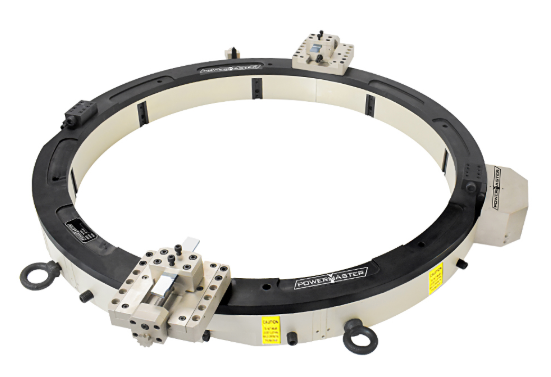
- Split-Frame Clamshells: This machinery encircles the outside of the pipe. It is highly suited for simultaneous cutting and bevelling with an end result that is ready to be welded.
- Sawing & Milling: Best for fast-paced, precision work in shops.
2. Thermal Cutting Machines
Thermal methods use extreme heat to melt and sever the metal. They are fast but require post-cut cleanup.
- Plasma Cutting: Ideal for use in a machining shop setting when cutting non-ferrous metals such as stainless steel.
- Oxy-Fuel Cutting: Best option for cutting thick carbon steel piping in an outside environment where mobility is required.
Comparing The Best Cutting Machine for Pipe Projects
To help you choose the right cutting machine for pipe fabrication, here is a quick breakdown of how these technologies stack up against key project variables:
| Machine Type | Best Suited For | Precision Level | Portability | Heat-Affected Zone (HAZ)? |
| Split-Frame Clamshell | Heavy-wall pipes, on-site maintenance | Maximum | High (Portable) | No |
| Band Saw | Standard shop production, straight cuts | Medium-High | Low (Stationary) | No |
| CNC Plasma Cutter | Complex profiles, high-volume shops | High | Low (Stationary) | Yes |
| Oxy-Fuel Pipe Cutter | Thick carbon steel, field repairs | Medium | Maximum | Yes |
Critical Factors To Consider Before Buying
Before investing in machinery, industries must consider these three project parameters:
Material and Wall Thickness
Heavy-wall carbon steel demands rugged mechanical split-frames or oxy-fuel systems. Conversely, thin-walled stainless steel pipes are best handled by high-speed orbital saws or plasma systems to prevent distortion.
Environment and Safety
If you are working in an active refinery or a volatile oil and gas environment, thermal cutting is often prohibited due to spark hazards. Cold cutting machines are inherently safer here because they eliminate the risk of fire and toxic fumes.
Upstream and Downstream Workflow
Your cutting machine must prepare the pipe for the next stage. For example, if your project requires precise bolting and flange management downstream, your pipes must be cut perfectly square.
After cutting, aligning, and welding the pipes, strong bolts are needed to attach the final flanges according to strict standards. Buying an accurate cutting machine will decrease the possibility of misalignment, which will complicate the process of bolting.
Final Thoughts
A cutting machine for pipe should be selected through a careful evaluation of the project’s environmental factors, budget, and material specifications. While thermal cutting is faster, cold cutting is unparalleled in accuracy and safety. When combining this with top-quality assembly equipment, one ensures that the entire fabrication process will run flawlessly from start to finish.