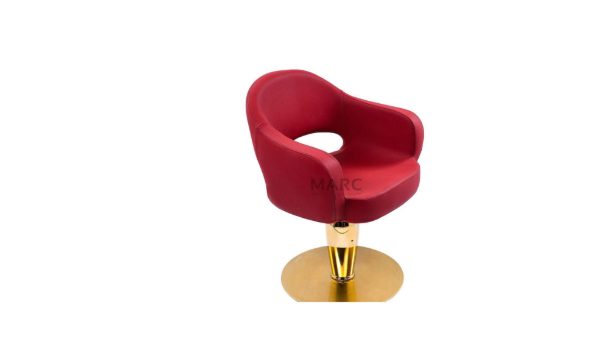
Launching or expanding a salon requires more than selecting attractive interiors. Every purchasing decision influences workflow, employee productivity, customer satisfaction, and future operational flexibility. Commercial establishments benefit from creating a structured plan before investing in equipment because thoughtful preparation minimizes unnecessary expenses while ensuring every workspace serves a practical purpose. Toward the end of this introduction, investing in hair salon furniture becomes an essential step toward building a business that balances efficiency, comfort, and professional presentation.
Successful salon layouts evolve around service requirements rather than decorative preferences. Reception spaces, styling sections, treatment rooms, shampoo areas, and waiting lounges should operate as connected yet independent zones. This structured approach allows businesses to accommodate increasing customer demand without disrupting existing operations or requiring frequent interior modifications.
Establishing Business Priorities Before Purchasing Equipment
Every salon serves different customer expectations, making early planning essential before selecting furniture. Businesses should identify the services they intend to offer, estimate customer capacity, and determine the number of professionals working during peak hours. These factors influence equipment requirements while preventing unnecessary purchases that occupy valuable floor space.
Financial planning also contributes to better purchasing decisions. Rather than replacing furniture periodically, commercial owners often benefit from investing in durable products capable of supporting continuous daily operations. Reliable equipment helps reduce maintenance expenses while creating consistent experiences for both employees and customers.
Organizing the Salon Into Functional Zones
Efficient salons separate each service area according to operational requirements. Styling stations should remain accessible without interfering with reception activities, while shampoo sections need sufficient privacy and convenient access to treatment areas. Organized zoning allows professionals to perform services smoothly without creating unnecessary congestion.
Clear pathways also improve customer movement throughout the facility. Visitors can transition comfortably between consultation areas, service stations, payment counters, and waiting lounges while maintaining a calm environment that reflects professional business management.
Important planning objectives include:
- Defining service-specific work zones
- Maintaining comfortable customer circulation
- Allowing adequate workstation spacing
- Planning organized storage locations
- Supporting future business expansion
- Simplifying daily cleaning routines
Building Service Areas That Support Productivity
Every workstation should contribute directly to operational efficiency instead of occupying space without purpose. Styling chairs, mirrors, salon trolleys, reception counters, manicure tables, pedicure units, facial beds, spa furniture, and shampoo stations each play a distinct role in daily operations. Selecting coordinated collections simplifies installation while maintaining visual consistency across the entire salon.
Businesses seeking dependable commercial performance often prioritize luxury salon equipment because premium construction, ergonomic support, and durable materials improve long-term operational reliability. Carefully selected furnishings also create an environment where employees can work comfortably while customers enjoy a refined experience throughout every appointment.
Planning an Efficient Reception Area
Reception spaces should provide organized visitor management while creating a welcoming first impression. Comfortable seating, practical counters, and clearly arranged product displays establish a professional atmosphere before any treatment begins.
Structuring Styling Sections for Better Workflow
Styling stations benefit from sufficient working space, accessible storage, and coordinated mirrors that allow professionals to perform services without unnecessary movement. Efficient arrangements improve productivity while maintaining organized work environments.
Designing Comfortable Treatment Rooms
Treatment furniture should support both therapists and customers throughout extended procedures. Adjustable positioning, stable construction, and ergonomic comfort contribute to consistent service quality across multiple beauty treatments.
Creating Practical Shampoo Areas
Shampoo sections should provide comfortable reclining support alongside efficient positioning for professionals. Thoughtfully planned layouts improve movement between washing, styling, and treatment areas while maintaining uninterrupted customer flow throughout busy operating hours.
Investing in Furniture That Supports Business Growth
Commercial salon furniture should be evaluated as a long-term business asset rather than a short-term purchase. Equipment used throughout the day must retain its functionality, appearance, and structural integrity despite continuous operation. Durable upholstery, dependable hydraulic systems, strong metal frameworks, and quality finishing help reduce maintenance while extending product life.
Purchasing coordinated collections also simplifies future renovations. Instead of replacing entire interiors during expansion, businesses can add compatible workstations that blend naturally with existing layouts. This approach reduces costs while maintaining a consistent professional appearance across every service area.
Factors that influence long-term value include:
- Commercial-grade construction
- Reliable adjustment mechanisms
- Easy-to-maintain surfaces
- Ergonomic support for professionals
- Coordinated product collections
- Customization options where available
- Consistent manufacturing quality
Preparing the Salon for Future Expansion
Business growth often introduces new service categories, additional professionals, or increased customer traffic. Interior planning should anticipate these changes by leaving sufficient flexibility for extra styling stations, treatment furniture, or waiting areas. Scalable layouts minimize operational disruption while allowing businesses to respond confidently to changing market demands.
Forward-thinking investments also strengthen brand consistency. When furniture collections share common materials, finishes, and design language, future additions integrate seamlessly into existing interiors. The result is a workspace that remains organized, functional, and visually cohesive throughout years of business development.
Supporting Consistency Across Every Service Area
Consistency in furniture selection helps businesses maintain a professional appearance regardless of the services offered. Coordinated styling stations, treatment furniture, reception units, and storage solutions create a seamless customer journey while improving staff efficiency. A unified interior also simplifies future upgrades, allowing additional equipment to integrate naturally without disrupting the salon’s established layout or overall visual identity.
Final Thoughts
Ready to create a salon that continues delivering value as your business expands? Every furnishing decision shapes workflow, employee comfort, and the overall customer experience, making careful planning a worthwhile investment from the very beginning. MARC Salon Furniture provides professionally manufactured barber chairs, styling chairs, shampoo stations, spa furniture, salon beds, manicure and pedicure furniture, mirrors, reception units, salon trolleys, and selected customizable solutions for commercial salons across India. Businesses looking to build dependable, future-ready interiors can confidently explore collections that include a high-quality salon wash station alongside coordinated furnishings designed for long-term operational performance.