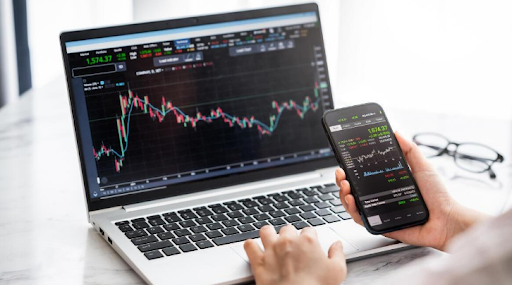
Global currency markets operate around the clock, creating opportunities for traders to participate in one of the world’s most active financial environments. While the fast pace can appear exciting, long-term success depends on preparation, discipline, and continuous learning rather than quick decisions. Anyone interested in forex trading should first understand how the market functions before placing their first trade. Building a strong foundation helps traders approach opportunities with greater confidence while managing risk more effectively.
The Structure of Currency Markets
The foreign exchange market connects financial institutions, businesses, governments, and individual traders across the world. Unlike traditional stock exchanges, currencies are traded electronically through a global network that operates nearly twenty four hours a day during the business week.
Every transaction involves exchanging one currency for another. The relationship between these two currencies creates a currency pair, and changes in supply and demand determine how prices move throughout the trading session.
Learning this structure helps traders understand why the market remains active across different regions and time zones.
Learn What Influences Exchange Rates
Currency values rarely move without reason. Interest rate decisions, inflation reports, employment data, international trade, and political developments all influence exchange rates.
For example, stronger economic growth may increase demand for a country’s currency, while uncertainty or weaker economic performance may reduce investor confidence. Following economic developments allows traders to understand market movements instead of reacting emotionally to sudden price changes. Regular market awareness creates a more informed approach to decision making.
Develop A Clear Trading Plan
Every successful trader benefits from following a structured plan. Rather than entering positions based on excitement, experienced traders establish clear objectives before participating in the market.
A trading plan should define entry conditions, profit targets, acceptable risk levels, and situations that require exiting a trade. Consistency becomes much easier when every decision follows a predetermined strategy instead of changing with market emotions. Planning also improves discipline during periods of increased volatility.
Strengthen Risk Management Skills
Managing risk remains one of the most important responsibilities for any trader. Market opportunities will always exist, but protecting trading capital allows participation to continue over the long term.
Many traders determine position sizes carefully and avoid committing excessive capital to a single opportunity. They also establish clear limits before entering trades to reduce emotional reactions if markets move unexpectedly. Responsible risk management encourages steady progress rather than unpredictable results.
Practice Before Trading Live
Developing practical experience without financial pressure offers valuable learning opportunities. Demonstration accounts allow traders to explore trading platforms, understand market behavior, and test strategies under realistic conditions.
Practice helps traders become comfortable with placing orders, reading charts, and monitoring price movements before investing actual capital. Mistakes made during practice often become valuable lessons that improve future performance.
Focus On Market Discipline
Successful trading depends as much on emotional discipline as technical knowledge. Fear, excitement, and impatience can all influence decisions if left unchecked.
Maintaining a consistent routine helps traders remain objective regardless of market conditions. Reviewing trading plans before entering positions and avoiding impulsive actions support greater consistency over time.
For anyone involved in forex trading, maintaining emotional control is just as important as understanding market analysis and technical indicators. Discipline often separates experienced traders from those who rely on unpredictable decision making.
Use Technology Wisely
Modern trading technology provides access to real time pricing, charting tools, technical indicators, market news, and educational resources. These tools help traders evaluate opportunities more efficiently while improving market awareness.
Technology should support informed analysis rather than replace thoughtful judgment. Traders who combine digital tools with strong market knowledge often make more balanced decisions than those who rely solely on automated information. Continuous learning remains equally important alongside technological advancement.
Monitor Economic Calendars
Economic calendars provide schedules for important financial events that may influence currency prices. Interest rate announcements, inflation reports, employment statistics, and central bank statements frequently create increased market activity.
Reviewing upcoming events helps traders prepare for periods of greater volatility instead of being surprised by sudden market movements. Planning around major announcements also supports better timing and improved risk management.
Awareness of scheduled events contributes to more confident market participation. By preparing for important announcements in advance, traders can better manage market volatility and make more informed decisions during periods of increased trading activity.
Continue Improving Trading Knowledge
Financial markets constantly evolve as economies change, technologies develop, and global events reshape investor expectations. Continuous education enables traders to adapt alongside these changes.
Reading financial publications, studying historical market behavior, attending educational webinars, and reviewing previous trades all contribute to stronger long term development. Every trading experience provides an opportunity to improve future decision making. Knowledge becomes more valuable when consistently applied through disciplined practice.
Build Long Term Trading Confidence
Confidence grows through preparation rather than prediction. Traders who focus on learning, planning, and responsible decision making often develop stronger consistency over time.
Working patiently toward gradual improvement creates more sustainable progress than chasing quick profits. Understanding both market opportunities and potential risks encourages balanced decision making during changing market conditions.
Individuals exploring forex trading benefit from combining education, structured planning, and disciplined execution. These qualities help transform market experience into continuous improvement while creating a stronger foundation for long term participation.
Conclusion
The global currency market offers significant opportunities for traders who approach it with preparation, patience, and realistic expectations. Understanding market fundamentals, following economic developments, practicing disciplined risk management, and committing to continuous learning all contribute to better long term outcomes. While no strategy guarantees success, informed decision making creates greater confidence in navigating changing market conditions. Traders who remain disciplined and adapt to evolving market trends are better positioned to identify opportunities while managing uncertainty effectively. By combining knowledge with a structured trading approach, individuals can build lasting confidence and work toward more consistent long term performance.
For those seeking a reliable trading environment supported by advanced technology and educational resources, Riyadex provides a professional platform designed to help traders build knowledge and pursue their financial goals with confidence.