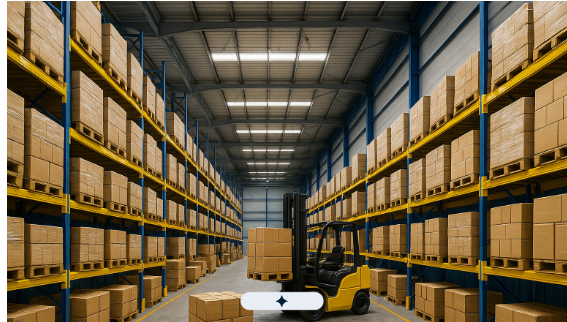
Selecting the right e-commerce storage in Bangalore involves evaluating key parameters such as geographical location, security protocols, flexible sizing models, and seamless logistics integration to optimize your supply chain. In a fast-moving market like Bengaluru, online businesses must transition away from high-overhead traditional warehouses toward flexible, dedicated storage services that prevent stock damage and streamline order processing. Making an informed choice ensures your business can scale operations smoothly while protecting product margins without getting tied down by long-term commitments.
Delve through this comprehensive guest post to explore crucial factors for choosing stock units, key features of modern facility models, and strategic location advantages.
1. The Challenges of E-Commerce Storage in Bangalore
Bangalore is India’s tech and e-commerce capital, housing thousands of direct-to-consumer (D2C) brands, Amazon/Flipkart marketplace sellers, and growing digital storefronts. However, scaling an online business in Bengaluru presents unique infrastructure hurdles:
High Commercial Real Estate Costs
Leasing traditional commercial property or large-scale dedicated warehouses demands significant capital, high security deposits, and multi-year lease commitments.
The Spare-Room Ceiling
Startup founders often begin operations by storing goods in spare rooms or small offices. As sales volume expands, disorganized stock leads to mixed-up orders, damaged packaging, and operational inefficiencies.
Urban Traffic & Micro-Fulfillment
Navigating citywide traffic jams means warehouse positioning directly affects your delivery speeds and last-mile dispatch efficiency.
2. Key Criteria To Choose The Right Storage Solution
Selecting an operational base requires looking beyond raw floor space. Evaluate potential storage partners using the following essential parameters:
A. Location & Accessibility
Selecting a facility situated near major outer ring roads or tech corridors (such as Electronic City, Whitefield, Koramangala, or Hebbal) reduces last-mile transit times. Facilities offering 24/7 access allow your team to fulfill urgent order spikes or off-hour dispatch schedules without friction.
B. Scalability & Lease Flexibility
E-commerce demand fluctuates continuously. During major shopping events like Diwali or seasonal sales, stock volumes surge dramatically. Look for providers offering modular space adjustments on flexible monthly agreements so you can expand during peak seasons and scale down during quieter months.
C. Security & Environmental Controls
Commercial stock represents your direct working capital. Ensure your chosen partner provides:
- 24/7 CCTV surveillance and biometric or restricted pin-code access.
- Pest control treatments to safeguard paper packaging, textiles, and dry goods.
- Fire safety compliance, including smoke detectors and automated sprinkler systems.
- Climate-controlled units for heat-sensitive items like cosmetics, electronics, or gourmet foods.
3. Comparing Traditional Warehousing vs. Professional Inventory Storage
To understand how modern commercial storage options compare to traditional commercial leases, consider the direct functional differences below:
| Operational Feature | Traditional Commercial Warehouse | Modern Inventory Storage Solution |
| Lease Commitment | Long-term (3 to 5 years minimum) | Highly flexible (Monthly or quarterly) |
| Space Customization | Fixed large square footage | Modular units tailored to current stock volume |
| Maintenance & Security | Managed entirely by tenant | Fully managed by the facility provider |
| Overhead Risk | High upfront lock-in capital | Flexible pay-as-you-use models |
| Logistics Support | Requires third-party vendor setups | Integrated doorstep pickup and delivery services |
4. Best Practices for Organizing Your Stored Inventory
Once you select a facility, organizing your storage unit like an efficient micro-fulfillment hub maximizes picking speed and minimizes error rates:
Essential Storage Management Steps:
- Vertical Space Utilization: Implement heavy-duty shelving racks to use vertical height efficiently instead of stacking boxes on top of one another.
- SKU Categorization: Place high-velocity (fast-moving) items near the front entrance of your unit and store seasonal or slow-moving stock higher up or towards the rear.
- Barcoding System: Tag every carton with clear barcode labels to maintain accurate inventory logs and prevent lost items.
- Separate Returns Area: Establish a dedicated area within your unit specifically for returned goods awaiting quality inspection or repackaging.
5. Who Benefits Most from Specialized Storage Units?
Professional facilities cater to a wide range of growing enterprises looking to streamline operations:
- Direct-to-Consumer (D2C) Brands: Companies needing clean, secure environments for finished goods and branded packaging materials.
- Marketplace Sellers: High-volume sellers on platforms like Amazon, Flipkart, or Meesho looking for overflow storage close to city hubs.
- Import/Export Traders: Merchants needing temporary holding spaces for bulk customs clearance batches.
- Seasonal Retailers: Enterprises that experience sudden spikes in product volume around major holidays or festive seasons.
6. Managing Seasonal Sales Spikes and Inventory Waves
Managing demand fluctuations during major shopping events like the Big Billion Days, festive season sales, and end-of-season clearouts is one of the toughest challenges for Bangalore e-commerce businesses. Storing extra inventory ahead of these events can easily overwhelm existing facilities, while under-stocking leads to missed revenue and lost market share.
- Pre-Festive Stock Accumulation: Reserve extra storage space 3 to 4 weeks before major sale events to stage incoming supplier shipments without cluttering your core assembly area.
- Post-Sale Space Downsizing: Scale back your rented unit size immediately after peak delivery periods wrap up, ensuring you never pay for empty square footage during low-demand months.
- Reverse Logistics and Returns Management: Dedicated storage space gives your team a controlled environment to process return items, re-tag undamaged goods, and quickly return reselled stock to active listing status.
7. Technology Integration in Modern Storage Facilities
Modern e-commerce storage facilities do much more than hold physical boxes; they integrate directly into digital supply chains to give merchants full control over stock levels and fulfillment workflows.
- Real-Time Inventory Tracking: Facilities utilizing warehouse software allow remote tracking of SKU counts, incoming shipments, and outbound dispatches from a single dashboard.
- Digital Access & Asset Security: Smart entry controls ensure only authorized personnel handle your high-value stock, while automated digital logs track exactly who accessed specific units and when.
- Integrated Doorstep Pickup & Delivery: Choosing a storage partner with built-in logistics support allows carrier partners to pick up packed orders directly from the storage unit, eliminating manual transit steps and speeding up delivery cycles.
Actionable Steps to Optimize Your Inventory Storage
To maintain speed and accuracy when handling business inventory storage, implement these operational practices:
- Adopt Barcode Tagging: Organize shelving with clear rack identifiers and digital tracking spreadsheets to minimize packing errors.
- Zone Your Layout: Keep top-selling SKUs near the front of your storage unit for rapid retrieval, while placing buffer stock toward the back.
- Separate Returns Management: Designate a dedicated area for customer returns, allowing inspection and re-stocking without cluttering active inventory.
Final Thoughts
Finding the right balance between security, flexibility, and convenience is essential for scaling your e-commerce enterprise. Avati Safe Storage delivers custom-built storage solutions designed specifically for online sellers, and growing enterprises across Bangalore.
With secure, clean, and climate-friendly units, modern surveillance, easy access, and flexible rental options, Avati Safe Storage eliminates the complexity of stock management. Whether you need temporary space for festive inventory overflow or a long-term storage hub for your enterprise, their tailored packages help you optimize operational costs and focus on expanding your business. Visit Avati Safe Storage official website today to discover their inventory storage specialized services.