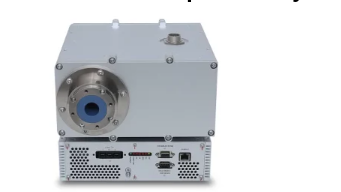
Imagine a modern inspection machine that needs powerful X-ray performance but has very little room for bulky equipment. This is where compact x ray source equipment suppliers become important. Compact X-ray source technology brings the tube, power components, and control functions into a more manageable system, helping equipment manufacturers create smaller and more efficient machines. Alongside the source itself, dependable Voltage Power Supplies play a central role in producing the electrical energy required for stable X-ray generation.
As industries demand more flexible inspection systems, compact components can make equipment design easier without compromising essential performance. The right combination of source technology and power management can also support reliable operation across demanding applications.
Source Design Matters
The design of an X-ray source can influence the overall performance, size, and reliability of the equipment in which it is installed. Traditional systems may require several separate components, cables, and control arrangements. A compact source can simplify this architecture by combining essential functions into one integrated unit.
For OEMs, this approach can reduce the complexity of system design. Engineers can work with a more defined package instead of having to arrange every high-voltage and X-ray component independently. Compact design does not simply mean making a product smaller. The source must continue to provide the required electrical and X-ray characteristics while maintaining appropriate thermal management, insulation, control, and operational stability.
High Voltage Control
X-ray generation depends on controlled high voltage. The voltage applied across an X-ray tube influences the energy of the produced radiation, while tube current affects the quantity of X-rays generated. For this reason, high-voltage technology needs to be carefully matched with the requirements of the complete system. Modern High Voltage Power Supplies can be designed to deliver controlled electrical output for different X-ray applications.
For equipment manufacturers, choosing the right power architecture is therefore more than a specification exercise. Voltage range, current capacity, regulation, physical dimensions, electrical isolation, cooling requirements, and control interfaces all need consideration before a component becomes part of a finished machine.
OEM Integration Needs
An X-ray source rarely operates alone. It becomes one component within a larger product that may include detectors, imaging software, mechanical assemblies, shielding, controls, and safety systems. This makes OEM compatibility especially important. A source should fit the mechanical design while also communicating effectively with the machine’s control system.
This may help engineering teams reduce the number of separate interfaces they need to manage during product development. For manufacturers producing equipment at scale, repeatable integration can also support more consistent production and service processes.
Industrial Inspection Roles
Compact X-ray technology has a broad role in industrial inspection. Non-destructive testing is one example, where X-rays can reveal internal defects without physically cutting or damaging a component. Manufacturers may use X-ray systems to examine welds, castings, electronic assemblies, and other structures.
In these environments, the source must suit the inspection method. A system designed for portable inspection may have different requirements from one installed permanently on a production line. Size, power, duty cycle, operating environment, and cooling can all influence the appropriate source selection. This is why compact x ray source equipment suppliers often need to support more than one type of technical requirement.
Security System Demands
Security inspection presents another important application. X-ray equipment can help operators examine baggage, parcels, cargo, and other objects without opening every item manually. In these systems, equipment may need to operate for long periods while maintaining reliable output.
A well-designed source can contribute to a smaller overall system while maintaining the electrical performance needed by the application. High-voltage stability is particularly relevant because inconsistent source operation can affect the quality and reliability of inspection results. The final equipment must also incorporate suitable shielding, controls, monitoring, and safety features as required by the application and applicable regulations.
Medical Technology Uses
X-ray sources are also found in medical technology, where controlled radiation is used for imaging and other specialized purposes. Applications can include dental imaging, veterinary systems, bone measurement, and other diagnostic or therapeutic equipment. Medical equipment places strong demands on consistency and reliability. The source needs to work within carefully defined operating conditions and integrate with the rest of the machine.
For equipment designers, compact architecture can be valuable when developing systems where internal space is limited. A smaller source assembly may provide greater flexibility for mechanical design without removing the essential electrical and X-ray functions required by the application.
Source Selection Factors
Selecting an X-ray source involves several technical considerations. The first is the required voltage and current range. These values should correspond to the tube and application rather than being selected independently. Physical dimensions also matter. Engineers need to consider mounting arrangements, available space, connectors, cable routing, and cooling.
A component that performs well under laboratory conditions may need additional consideration when used continuously in an industrial environment. Working with experienced compact x ray source equipment suppliers can help manufacturers evaluate these factors before committing to a system architecture.
Power Reliability Counts
A high-voltage source is only as useful as its ability to operate reliably within the complete equipment design. Electrical instability can create problems throughout an X-ray system, which makes power architecture a critical engineering consideration.
Modern High Voltage Power Supplies can incorporate features intended to support controlled and dependable operation. Depending on the design, these may include voltage regulation, protection functions, monitoring capabilities, and interfaces for system control. The right solution depends on the application.
Conclusion
Compact X-ray technology connects several important engineering priorities: controlled radiation, dependable high voltage, efficient packaging, and straightforward system integration. Whether the final application involves industrial inspection, security screening, electronics analysis, or specialized medical equipment, the source must be matched carefully with the needs of the complete machine.
For manufacturers seeking practical X-ray source and high-voltage solutions, exploring the capabilities available through VJ X-Ray can be a useful step toward selecting technology suited to their equipment requirements. Reliable High Voltage Power Supplies can further support stable performance and effective integration across different X-ray systems.