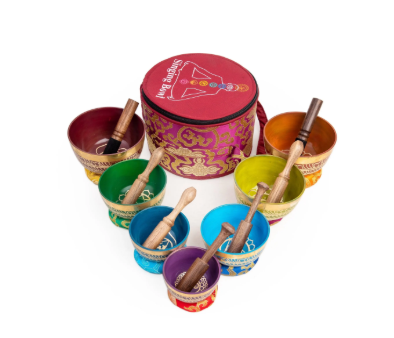
Tibetan singing bowls are valued for their resonant tones, handcrafted character, and connection with Himalayan artistic traditions. Their uses extend across meditation, yoga, sound-focused practices, spiritual settings, and personal relaxation. Size, construction, tone, accessories, and intended practice all influence which bowl can provide the most suitable experience.
For practitioners building a personal collection or selecting instruments for a studio, a Tibetan singing bowls set can provide different tonal possibilities and useful accessories in one package. Understanding craftsmanship and construction makes selection more considered, particularly when comparing individual bowls, multi-piece collections, and complete meditation packages designed for regular practice.
Understanding Bowl Construction and Craftsmanship
Traditional metal singing bowls are shaped through skilled craftsmanship, with hand-hammered surfaces contributing to their individual appearance and sound. Himalayan Bazaar’s collection includes bowls made using traditional seven-metal techniques, with different sizes and designs available for meditation, yoga, sound baths, and related practices.
No two handmade pieces necessarily have identical characteristics. Hammer marks, weight, dimensions, finish, and tonal response can vary between individual instruments. These differences are part of their handcrafted nature and can influence how a bowl feels and sounds during use, making direct listening an important consideration when choosing between several options.
Selecting a Bowl by Size, Tone, and Practice
Size has a noticeable influence on the character of a singing bowl. Larger bowls generally produce deeper, fuller resonance, while smaller pieces can offer higher-pitched tones suited to focused personal practice. The appropriate option depends on the space, intended activity, and sound characteristics preferred by the practitioner.
A meditation room designed for individual sessions may require a different bowl from a wellness setting hosting group sound work. Buyers should therefore consider where the instrument will be played, how it will be positioned, and whether the desired experience calls for a grounding low tone or a lighter, more focused resonance.
Larger Bowls
Larger bowls can generate deep, expansive tones that work well in meditation rooms, yoga environments, and group sound sessions. Their greater size can produce fuller resonance across a space. They may also require more room for comfortable positioning and controlled playing.
Smaller Bowls
Smaller bowls are convenient for personal use, travel, and compact practice areas. Their higher tones can suit focused meditation and short sessions where portability matters. Some beginner-oriented sets also include compact bowls with cushions and mallets for straightforward handling.
Multi-Bowl Sets
Multi-bowl collections provide access to different sizes and tonal ranges within one practice setup. They can be useful for practitioners exploring varied sounds or wellness spaces requiring more than one instrument. Some available sets are specifically arranged around chakra-oriented practices and sound work.
Sound Bath Use
Sound bath sessions can benefit from instruments capable of producing sustained and layered resonance. Larger bowls may contribute deeper tones, while additional bowls can introduce tonal variation. Selection should consider room size, session format, playing technique, and the desired progression of sounds.
Choosing Authenticity and Handmade Quality
Authenticity involves more than appearance. Handcrafted construction, traditional production methods, material composition, distinctive hammer marks, and individual tonal characteristics can help distinguish traditionally made instruments from mass-produced alternatives. Buyers seeking authentic Tibetan singing bowls should examine how the piece was produced and where its craftsmanship originates.
The source also matters when cultural craftsmanship is part of the purchase decision. Himalayan Bazaar states that its bowls are handcrafted by Nepalese artisans using traditional techniques and that purchases support artisan livelihoods. The collection includes antique-style bowls, seven-metal designs, beginner pieces, larger instruments, and specialized sets for different practices.
Accessories That Complete the Practice
A bowl’s performance depends partly on how it is supported and played. Cushions can provide a stable base, while mallets allow users to strike or circle the rim according to the desired sound. Some complete sets include both accessories, making them convenient for practitioners beginning a dedicated routine.
Additional sound instruments can expand the range of a session. Tingsha cymbals, for example, produce clear, high tones that can mark transitions or bring attention back to the present moment. Combining instruments should remain purposeful, with each sound serving a defined role within meditation, yoga, or sound-focused practice.
Cushions
A properly sized cushion supports the bowl while allowing it to vibrate freely. Hand-sewn cushions are included with several sets in the collection. Stable positioning can make the instrument easier to play, particularly for beginners learning controlled striking and rim techniques.
Mallets
Wooden and covered mallets can produce different playing responses depending on their construction and technique. Some sets include a mallet alongside the bowl and cushion, giving users the basic equipment needed to begin practice. Proper handling also helps preserve the bowl’s finish.
Caring for Handmade Singing Bowls
Metal singing bowls require gentle care to preserve their appearance and sound characteristics. Routine cleaning can be performed with a soft, dry cloth, while deeper cleaning may use mild soap and warm water. Immediate drying is recommended, and harsh chemicals or abrasive scrubbing should be avoided.
Storage also deserves attention. A cushion or padded case can protect the bowl from unnecessary impacts when it is not being used. Regular gentle handling helps maintain the surface and reduces the chance of avoidable damage. Care becomes especially important for larger, heavier, or intricately finished pieces.
A practical care routine can include:
- Wiping the surface after use
- Avoiding abrasive cleaning products
- Drying the bowl immediately after washing
- Storing it on a suitable cushion
- Using a padded case for transport
- Handling larger bowls carefully
Final Thoughts
What makes a singing bowl worth adding to a personal practice? Craftsmanship, tonal character, suitable sizing, responsible care, and the right accessories can all shape the experience. For those seeking traditional Tingsha bells alongside handcrafted singing bowls, choosing complementary instruments can create a more versatile setup for meditation, yoga, and sound-focused sessions.
Himalayan Bazaar offers handcrafted singing bowls made by Nepalese artisans, including individual bowls, multi-piece sets, larger designs, beginner options, and sound bath selections. Its range also includes Tingsha bells, prayer flags, cushions, mallets, and other Himalayan handcrafted products. The collection emphasizes traditional craftsmanship, sustainable materials, international shipping, and support for artisan communities, providing options for individual practitioners as well as yoga studios and wellness centers.