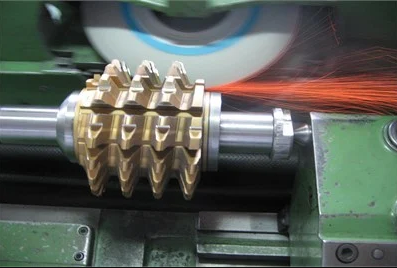
In gear manufacturing, gear hobs are among the most important cutting tools used to produce accurate gear teeth. Over time, continuous machining causes wear on the cutting edges, which can reduce accuracy and efficiency. Instead of replacing expensive tools, many manufacturers rely on hob resharpening to restore cutting performance and extend tool life. By using proper hob resharpening tools, companies can maintain production quality while reducing tooling costs.
What Is Hob Resharpening?
Hob resharpening is a maintenance process used to restore the cutting edges of worn gear hobs. During gear hobbing operations, the cutting edges gradually lose sharpness due to friction, heat, and repeated contact with the workpiece material. This wear can lead to poor surface finish and inaccurate gear profiles if not addressed.
The process of hob resharpening involves grinding the rake face or cutting surfaces of the hob to restore its original geometry. This precision grinding must be performed carefully to maintain the correct tooth profile and cutting angles. Using specialized hob resharpening tools ensures that the tool retains its performance characteristics after the reconditioning process.
Importance of Resharpening Gear Hobs
Gear hobs are precision tools designed to produce gears with extremely accurate tooth geometry. When the cutting edges become dull, machining efficiency decreases and the quality of the gears may suffer. Regular hob resharpening helps maintain cutting performance and ensures consistent gear accuracy during production.
Another advantage of resharpening is cost efficiency. High-quality gear hobs are expensive, especially those made from premium high-speed steel or carbide. Instead of purchasing new tools frequently, manufacturers use hob resharpening tools to extend the lifespan of existing hobs and reduce overall tooling expenses.
Types of Hob Resharpening Tools
Several specialized tools and machines are used in the resharpening process. Precision grinding machines are the most common equipment used for restoring gear hobs. These machines are designed to maintain accurate cutter geometry while removing minimal material during grinding.
Professional tool grinding systems include advanced hob resharpening tools such as CNC grinders, measuring equipment, and alignment fixtures. These technologies ensure that the hob maintains its original tooth profile and cutting angles after reconditioning.
In addition to grinding machines, inspection equipment plays an important role in maintaining quality. Accurate measurement systems verify that the hob geometry meets required specifications before the tool is returned to production.
Steps in the Hob Resharpening Process
The process of hob resharpening typically involves several steps to ensure accuracy and consistency. The first step is tool inspection. Technicians carefully examine the hob to determine the level of wear and identify areas that require grinding.
Next, the hob is mounted on a precision grinding machine. Using specialized hob resharpening tools, technicians grind the rake faces or cutting edges to restore sharpness. The grinding process must remove only the necessary amount of material to maintain the correct tooth geometry.
After grinding, the tool undergoes inspection to confirm that it meets dimensional and geometric specifications. Once the process is completed successfully, the resharpened hob can be returned to production and used for additional machining cycles.
Benefits of Regular Hob Maintenance
Implementing a proper maintenance strategy for gear hobs provides several advantages. Regular hob resharpening ensures that tools continue to produce gears with consistent accuracy and surface finish. Maintaining sharp cutting edges also improves machining efficiency and reduces the load on production machines.
Using reliable hob resharpening tools also contributes to longer tool life. By restoring the cutting edges before severe wear occurs, manufacturers can prevent irreversible damage to the tool body and maximize the number of times a hob can be resharpened.
Another important benefit is reduced production downtime. Well-maintained tools operate more efficiently and require fewer adjustments during machining operations, allowing manufacturers to maintain stable production schedules.
Factors That Affect Resharpening Quality
Several factors influence the effectiveness of the resharpening process. One of the most important is the precision of the grinding machine and the skill of the technician performing the operation. High-quality hob resharpening tools ensure accurate grinding and help maintain the original geometry of the cutting tool.
Another important factor is the material of the hob. Tools made from high-speed steel or carbide require different grinding techniques and parameters. Proper grinding conditions must be selected to prevent overheating or damage during the process.
In addition, the amount of material removed during hob resharpening must be carefully controlled. Removing excessive material can alter the cutter geometry and reduce the tool’s remaining lifespan.
Industrial Applications
Gear hobbing is widely used in industries such as automotive manufacturing, aerospace engineering, heavy machinery production, and industrial equipment manufacturing. In all these sectors, precision gear production is essential for reliable mechanical performance.
To maintain the quality of gear manufacturing processes, companies frequently rely on advanced hob resharpening tools that ensure cutting tools remain in optimal condition. Proper maintenance of gear hobs helps manufacturers maintain consistent production quality and reduce operational costs.
Future Developments in Tool Reconditioning
Advancements in manufacturing technology continue to improve the efficiency of tool maintenance processes. Modern CNC grinding machines allow for highly precise hob resharpening, ensuring consistent tool geometry and improved accuracy.
Digital measurement systems and automated inspection technologies are also enhancing the reliability of the resharpening process. These innovations help manufacturers monitor tool wear and schedule maintenance before performance declines.
As industries continue to demand higher precision and productivity, the role of advanced hob resharpening tools will become even more important in maintaining efficient gear manufacturing operations.
Conclusion
Gear hobs are essential tools for producing precision gears in modern manufacturing. Over time, wear on the cutting edges can reduce machining performance and gear accuracy. By implementing regular hob resharpening, manufacturers can restore tool sharpness and maintain consistent production quality.
Using professional hob resharpening tools ensures that the reconditioning process maintains the original geometry of the hob while extending its service life. With proper maintenance, gear manufacturers can reduce tooling costs, improve machining efficiency, and ensure reliable gear production for a wide range of industrial applications.