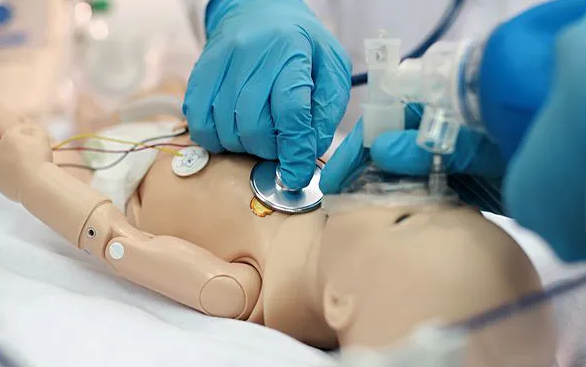
When it comes to medical emergencies involving infants and children, specialized knowledge and quick response are critical. The pediatric advanced life support course is designed to equip healthcare professionals and caregivers with the skills needed to manage serious pediatric emergencies effectively.
Understanding pediatric advanced life support (PALS) can make a life-saving difference by providing advanced techniques for assessing and treating critically ill or injured children.
What Is Pediatric Advanced Life Support?
Pediatric advanced life support is a specialized training program focused on emergency care for infants and children. It goes beyond basic first aid and CPR, covering advanced assessment, airway management, and life-saving interventions.
A certified pediatric advanced life support course teaches participants how to respond to pediatric emergencies with confidence and precision.
Why Pediatric Advanced Life Support Training Is Important
1. Focus on Child-Specific Emergencies
Children are not just small adults their bodies respond differently to illness and injury. Pediatric advanced life support training addresses these unique needs.
2. Life-Saving Skills
The course prepares participants to handle critical situations such as respiratory distress, cardiac arrest, and shock.
3. Faster and Effective Response
With proper training, you can act quickly and provide appropriate care before advanced medical help arrives.
4. Professional Requirement
Many healthcare roles require certification in a pediatric advanced life support course.
What You Learn in a Pediatric Advanced Life Support Course
A comprehensive pediatric advanced life support course includes both theoretical knowledge and hands-on practice.
Pediatric Assessment Techniques
Learn how to quickly assess a child’s condition and identify life-threatening issues.
Airway Management
Understand how to maintain and manage a child’s airway during emergencies.
CPR for Infants and Children
Advanced resuscitation techniques tailored for pediatric patients.
Cardiac Emergency Management
Recognize and respond to cardiac arrest and arrhythmias in children.
Team-Based Emergency Response
Work effectively as part of a medical team during critical situations.
These skills are essential components of pediatric advanced life support training.
Who Should Take a Pediatric Advanced Life Support Course?
Healthcare Professionals
Doctors, nurses, and paramedics who handle pediatric patients.
Emergency Responders
Professionals involved in emergency medical services.
Pediatric Care Providers
Individuals working in childcare or pediatric healthcare settings.
Medical Students
Those preparing for careers in healthcare.
A pediatric advanced life support course is especially valuable for anyone responsible for child health and safety.
Benefits of Pediatric Advanced Life Support Training
1. Advanced Medical Skills
Gain in-depth knowledge of pediatric emergency care.
2. Increased Confidence
Training prepares you to handle high-pressure situations effectively.
3. Career Advancement
Certification in pediatric advanced life support enhances professional qualifications.
4. Better Patient Outcomes
Proper training leads to quicker and more effective treatment.
Key Features of a Good PALS Course
Certified Instructors
Experienced trainers provide expert guidance and practical knowledge.
Hands-On Training
Real-life simulations help you practice emergency response.
Updated Guidelines
Courses follow the latest medical standards and protocols.
Recognized Certification
Completing a pediatric advanced life support course provides an internationally accepted certificate.
How to Choose the Right Pediatric Advanced Life Support Course
Accreditation
Ensure the course is recognized by relevant medical authorities.
Course Content
Look for comprehensive coverage of all critical topics.
Trainer Experience
Choose institutes with qualified and experienced instructors.
Practical Sessions
Hands-on training is essential for mastering skills.
Importance of Certification Renewal
Medical guidelines and techniques evolve over time. It is important to renew your pediatric advanced life support certification regularly to stay updated and maintain your skills.
Common Mistakes to Avoid
- Skipping practical training sessions
- Choosing unaccredited courses
- Not renewing certification
- Lack of regular practice
A professional pediatric advanced life support course helps you avoid these issues.
Why Pediatric Emergency Training Matters
Children require specialized care during emergencies. Having proper pediatric advanced life support training ensures that healthcare providers and caregivers can respond effectively and save lives when it matters most.
Conclusion
A pediatric advanced life support course is essential for anyone involved in child healthcare or emergency response. It provides advanced skills, builds confidence, and improves the ability to handle critical situations involving infants and children.
Investing in pediatric advanced life support training not only enhances your professional capabilities but also equips you to make a real difference in life-threatening emergencies.