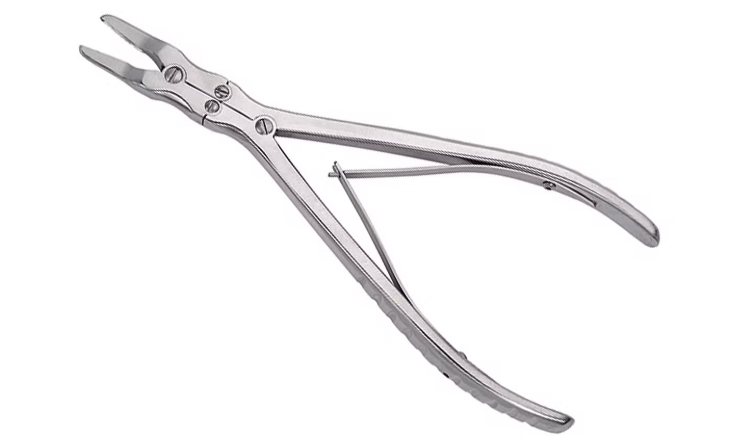
Orthopedic surgery depends on precision, strength, and reliability for successful outcomes. The instruments used play a vital role in ensuring patient safety, surgical accuracy, and faster recovery. When setting up a hospital, clinic, or surgical facility, it is important to carefully assess your needs before you buy orthopedic instruments.
Evaluating factors such as material quality, design, and performance helps in selecting the right tools. A clear understanding of the structure, function, and standards of orthopedic instruments enables healthcare professionals to make informed decisions and maintain consistent surgical efficiency.
Understanding Orthopedic Surgical Instruments
Orthopedic instruments are designed specifically for procedures involving bones, joints, ligaments, and muscles. These tools assist surgeons in cutting, drilling, holding, fixing, and reconstructing parts of the musculoskeletal system. Because these procedures require high levels of accuracy, every instrument must meet strict performance standards.
From basic tools like forceps and scissors to advanced devices such as bone drills and reamers, orthopedic instruments serve a specialized role. When you plan to purchase orthopedic instruments, it is important to identify the exact surgical needs and match them with the appropriate tools.
Major Categories of Orthopedic Instruments
Orthopedic instruments are generally grouped based on their function. Understanding these categories will help streamline the selection process.
Cutting instruments include saws, chisels, and osteotomes used to shape or remove bone. These tools must remain sharp and durable over repeated use. Holding instruments such as clamps and forceps is designed to stabilize bones and tissues during procedures. Their grip and control are critical.
Retracting instruments help move tissues aside to provide a clear surgical field. Drilling and fixation tools, including drills, taps, and screwdrivers, are used to secure implants and repair fractures. When evaluating orthopedic instruments, it is helpful to consider whether you need individual tools or complete surgical sets.
Key Factors to Consider Before Purchase
When you decide to purchase orthopedic instruments, several important factors should guide your decision.
Material quality is one of the most critical aspects. High-grade stainless steel is widely preferred due to its resistance to corrosion and ability to withstand repeated sterilization. Instruments made from premium materials tend to last longer and perform more consistently.
Precision and balance are equally important. Surgeons rely on instruments that offer accurate control and smooth handling. Poorly designed tools can affect surgical efficiency and outcomes.
Ergonomics also plays a key role. Instruments should be comfortable to hold and easy to maneuver, especially during long procedures. This reduces fatigue and improves performance.
Sterilization compatibility is another essential consideration. All orthopedic instruments must be able to withstand standard sterilization processes without losing quality. Additionally, certifications such as ISO and CE indicate that the instruments meet international safety and quality standards.
Importance of Quality in Orthopedic Procedures
Quality should never be compromised when selecting surgical instruments. Inferior tools can lead to complications, increased surgical time, and even patient risk. High-quality instruments ensure better precision, reduced chances of infection, and improved durability.
When you purchase orthopedic instruments, investing in quality products may seem costly initially, but it reduces long-term expenses by minimizing replacements and maintenance issues. Evaluating orthopedic instruments based on quality ensures reliability in every procedure.
Choosing Between Individual Tools and Instrument Sets
Healthcare providers often face the choice between purchasing individual instruments or complete sets. Each option has its advantages.
Individual instruments are ideal for replacing specific tools or customizing surgical kits. This approach offers flexibility but requires detailed knowledge of requirements. Complete sets, on the other hand, are designed for specific procedures and include all necessary tools. They are convenient and ensure compatibility among instruments.
For new setups or expanding facilities, it is often practical to buy orthopedic instruments in complete sets. This approach ensures access to orthopedic instruments needed for particular surgeries.
Applications of Orthopedic Instruments
Orthopedic instruments are used in a wide range of procedures. These include fracture repair, joint replacement, spinal surgery, and reconstructive operations. Each type of surgery requires a specific combination of tools.
Understanding the applications helps in selecting the right instruments. When reviewing orthopedic instruments, consider the procedures most commonly performed in your facility. This will guide your purchasing decisions effectively.
Maintenance and Care of Instruments
Proper maintenance is essential to extend the life of surgical instruments. After each use, instruments should be thoroughly cleaned and sterilized. Regular inspection helps identify signs of wear or damage.
Storage conditions also matter. Instruments should be kept in a dry and controlled environment to prevent corrosion. High-quality tools are designed to withstand repeated sterilization cycles, making them a reliable choice when you purchase orthopedic instruments.
Common Mistakes to Avoid
There are several mistakes that buyers should avoid when selecting orthopedic instruments. Choosing low-cost products without considering quality can lead to poor performance. Ignoring certifications may result in non-compliant tools.
Another common mistake is purchasing without understanding surgical requirements. It is important to evaluate the specific needs of your facility before selecting orthopedic instruments. Lack of proper research can lead to unnecessary expenses and inefficiencies.
Selecting a Reliable Supplier
Choosing the right supplier is as important as selecting the instruments themselves. A reputable manufacturer will offer consistent quality, a wide range of products, and proper certifications.
Look for suppliers who provide detailed product information, customization options, and after-sales support. When you purchase orthopedic instruments, working with a trusted supplier ensures access to the orthopedic instruments required for different procedures.
Conclusion
Choosing orthopedic surgical instruments requires careful planning and attention to detail. From understanding different categories to evaluating quality and supplier reliability, every step plays a role in ensuring successful outcomes. When you buy orthopedic instruments, focus on durability, precision, and compliance with standards. A well-informed approach to selecting orthopedic instruments will support efficient surgeries and improved patient care.Trusted globally by medical professionals for quality and innovation, Salwan Surgicare offers a comprehensive range of precision-engineered surgical tools. Their orthopedic portfolio includes essential and advanced solutions for diverse procedures. With certified manufacturing and global supply capabilities, they ensure consistent performance. Their catalog covers orthopedic instruments, helping healthcare providers purchase orthopedic instruments efficiently, confidently, and reliably for long-term clinical use.