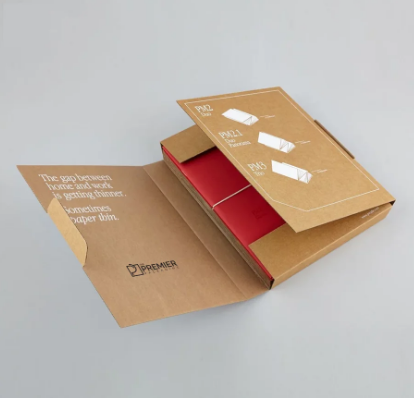
It shouldn’t be difficult to purchase mailers for books. Just head to any shipping supply shop or search online, and you’ll find a number of choices. Different materials. Different sizes. Different price points. It could be daunting.
This is not a guide. It’s written with the intent to provide buyers with clear and honest information. You will discover what to expect in 2026. There will be a difference between light, stiff, and plastic-free choices that you will know. And you’ll know what is the best book mailer for you and your budget.
Let us begin.
For book mailers, why 2026 is so special.
Shipping is a constantly evolving business. There are three significant trends in the book mailer purchasing landscape in 2026.
One is that postage rates are still going up. Each pound is significantly more than ever. It’s no longer a choice, it’s a necessity. It is a necessity.
Second, consumers are interested in plastic. Increase in the number of consumers examining how orders are packaged. They observe plastic bubble mail. They leave comments on too much waste. Sellers who switch to plastic-free packaging gain a competitive edge.
Third, new materials have emerged. Paper padding is as good as, or better than, plastic bubbles for protection. There are abundant and affordable sources of recycled content. Rigid cardboard mailers are both thinner and stronger.
When it comes to book mailings, these three trends mean that 2026 is the time to do so.
Just what is a book mailer exactly?
A book mailer is a mailing package designed for shipping flat items, such as books. A book mailer is a thin box compared to a regular box. A book mailer is not flexible like a poly bag. It should not be bendy, criss-able, or crushy.
Many book mailers have an adhesive strip that seals itself once the mailer is completed. A paper liner is removed, and the flap is pressed closed. There is no need to use any tape. Seals are secure and can be handled normally during shipping.
Types of book mailers.
Rigid mailers are made of stiff cardboard or kraft paper. Padded mailers are soft mailers to protect the material inside. There are different styles, each with its own function.
Lightweight Options: Save Money on Postage
Weight is a foe of shipping profits. Additional weight equals additional cost. Those ounces convert to real money over hundreds of shipments.
Lightweight book mailers handle this. The materials from which they are constructed are thin but strong. They provide safe storage for books without excessive bulk.
Rigid mailers made from kraft paper – These are the lightest type of mailers. An average Kraft paper mailer is less than one ounce. This means that your package weight is nearly all the books. For paperbacks and lightweight hardcovers, use kraft paper.
Thin cardboard mailers (weigh a bit more than kraft paper but provide more protection). If you ship a mix of paperback and hardcover books, they are a good middle ground.
Paper-padded mailers – These are made with crimped paper rather than plastic bubbles. These are not as light as rigid mailers, yet they are lighter than plastic bubble mailers. The padding is used to prevent any minor damage to books.
If you’re looking for light options, test a sample first. A too-thin mailer may not withstand rough handling. The best mailer is one that is robust, yet light at weight.
Maximum protection for valuable books: Rigid Options.
Different books require different amounts of protection. A $10 paperback would withstand a typical hard mail envelope. That isn’t enough for a fifty-dollar hardcover or a collectible comic.
Rigid book mailers offer that added security. They are thicker cardboard or double-walled. Sides are not flexible. Corners remain crisp.
Standard rigid mailers – made from single-walled cardboard. They are stiff enough to work for most hardcovers and textbooks. They are less likely to bend when in the sorting machine during processing.
Double-wall rigid mailers – These are made out of two layers of cardboard bonded together. They are very strong. They can be used for heavy books, expensive books, or international shipments.
Reinforced corner mailers – Some corners of the rigid mailers are reinforced with additional material. The corners of any book are the weakest spot. Reinforced corners prevent drops and impacts from damaging the product.
For comic books, a standard box with reinforced corners is used. Many collectors want comic book mailers for one-shot mailings to ensure their comic book is in mint condition. This is true of any good book.
Rigid Mailers are heavier than lightweight mailers. Don’t use them unless the book is worth the additional cost of postage.
Plastic-Free Options: Good for the planet and your brand.
Bubble mailers have been around for quite some time. They offer soft cushions, padding and usability. They come with a price tag, however.
The majority of plastic bubble mailers are not recyclable. When the film is mixed with air bubbles, it can easily foil the recycling machines. Thus, almost all plastic bubble mailers are sent to landfills or incinerators. They also decompose over a hundred years.
Book mailers without plastic are the way to go.
Paper-padded mailers – These are plastic mailers with paper padding instead of plastic bubbles. The paper forms air pockets that absorb shock. Once the purchaser opens the envelope, all the mailer is placed in the recycling bin.
Corrugated rigid mailers – They use a fluted cardboard, which provides natural cushioning. There is no plastic used. The material is durable, recyclable, and readily available.
100% Recycled: Kraft mailers are 100 percent made from recycled post-consumer waste paper. They’re like-new Kraft mailers. They are approximately the same price. The only difference is the environmental benefit.
Plastic-free book mailers are a great way to communicate with your customers. Quality and sustainability are important to you. Many purchasers select a seller based on packaging.
What is the best way to compare book mailers?
The buyer’s checklist is provided below.
When reviewing a book mailer, make sure to refer to this list.
Weigh a sample on a postal scale – Weight per mailer. The lighter, the better when it comes to postage fees.
Material type – Kraft paper, cardboard, or paper padding. Select from the list of books you are most likely to send out.
Rigidity – Hold the mailer by one corner. Flops or stiffs? For protection, use a stiff.
Self-seal quality – seal a sample and attempt to open it. Should be sturdy and secure. Lost packages are due to weak seals.
Recyclability – May the whole mailer be put into curbside recycling? Plastic-free is best.
Price per unit – Do not look at the retail price per unit. Large volume discounts exist.
Material Options – Do they have the materials you require? Common sizes are 6×9, 7×10, 8.5×11, and 9×12.
It takes 5 mins per product to use this checklist. It prevents hours of a mess, the loss of money due to a damaged book, and the waste of money.
The 2026 Book Mailers are on sale this year.
This year, the 2026 Book Mailers are available.
There are multiple ways you can buy it. There are advantages and disadvantages to each.
Online packaging suppliers – Companies such as The Premier Packaging will specialize in shipping supplies. They provide quality, speedy delivery, and bulk pricing. The usual best choice for small to medium-sized companies is the online suppliers.
E-commerce marketplaces – Large online marketplaces are used by many third-party sellers. There is a good price, but the quality is poor. Always read reviews before purchasing. Some sellers list the wrong dimensions.
Wholesale distributors – These businesses sell in bulk to other businesses. Usually, 500 or 1,000 pieces are the minimum order counts. The price is extremely low. This is a great choice for a high-volume seller.
Retail Stores sell book mailers individually or in small packs. Prices are higher. Selection is limited. This is only for emergency needs.
For most vendors, the best balance is with an online supplier such as The Premier Packaging. You receive competitive pricing, guaranteed quality, and full-size and material options.
Common buying mistakes to avoid are listed below.
The following are mistakes to avoid to get the very best out of your book mailers.
Only purchasing one size – Books are available in a variety of sizes. Keep three common stock sizes on hand so you do not have to make up a book the wrong way.
Low price, sometimes low quality – Opting for the cheapest without testing. Purchase samples prior to ordering bulk quantities.
Not considering Recyclability – Plastic bubble mailers might be cheaper in the short term, but more expensive in the long run, both for customers and the environment.
Ordering too few – Book mailers cost less per piece when ordered in bulk. Purchase a sufficient amount for several months.
Not measuring your books – be sure that your book is 7.1″ wide, not a 7” x 10” mailer. Add no margin.
Frequently Asked Questions
Which is the most effective book mailer for the majority of sellers?
A hard mailer with a self-sealing closure that is made of kraft paper. It offers low weight, high protection, and a reasonable price.
Do the prices of plastic-free book mailers exceed those of traditional ones?
Not significantly. Plastic bubble mailers are priced at approximately the same as paper-padded and stiff cardboard mailers. There are even some that are less expensive.
May I ship more than one book in one book mailer?
Yes, if they fit without force. One mailer can be used for two paperbacks. Use a larger size or box for thicker stacks.
What makes a book mailer recyclable?
Purchase paper-based products that do not contain plastic linings. The Premier Packaging clearly labels recyclable options.
Which book mailer should I get for the books?
Most textbooks will go in a 9 x 12 or 10 x 13 mailer. Measure the largest book you send, and add ½ inch.
Final Summary
There are only three options when purchasing book mailers in 2026. Low postage due to the lightweight. Hardy for added protection. Free from plastics for sustainability and customer trust.
This depends on the type of goods you are sending. Paperbacks can use lightweight, kraft paper. Hardcover and textbooks use rigid cardboard. For everything else, use paper padding with no plastic.
Test samples prior to ordering in bulk. Use the checklist to compile the list. Purchasing from suppliers such as The Premier Packaging is a good idea. Also, keep in mind that good packaging is a marketing opportunity to please customers.
Your books have stories to tell. Your packaging also shares a story. Be sure it’s a good one.