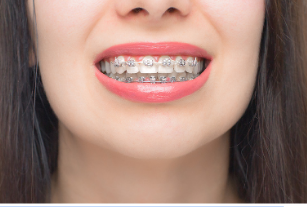
Many people exploring self ligating braces Singapore options often focus on treatment duration, comfort, or appearance. While these factors are important, one element that frequently goes unnoticed is the bracket design itself. The structure of a bracket may seem like a small detail, but it plays a significant role in how teeth move, how comfortable treatment feels, and how efficiently orthodontic adjustments take place.
Orthodontic technology has evolved considerably over the years. Today, bracket design is no longer just about holding a wire in place. It has become an essential component that influences treatment precision, patient experience, and long-term results. Understanding this difference helps patients make more informed decisions about their orthodontic care.
The Evolution of Bracket Engineering
Orthodontic brackets have undergone remarkable changes over the decades. Earlier designs were focused primarily on function, with little attention given to patient comfort or treatment efficiency. Traditional brackets relied heavily on elastic ties to secure wires, creating additional friction during tooth movement.
Modern bracket systems are designed with greater precision. Engineers and orthodontists have worked together to develop designs that allow smoother interaction between the wire and bracket. These improvements may seem subtle, but they significantly affect how treatment progresses over time.
The evolution of bracket engineering reflects a broader trend in dentistry where innovation aims to improve both clinical outcomes and patient comfort simultaneously.
Friction and Tooth Movement Dynamics
One of the most important differences created by bracket design involves friction. Whenever a tooth moves, the archwire must slide through the bracket slot. If excessive friction exists, movement becomes less efficient and requires greater force.
Modern orthodontic systems focus on reducing unnecessary resistance. Lower friction allows teeth to move more naturally and consistently. This creates a smoother treatment experience while helping orthodontists maintain better control over alignment changes. This principle is a key reason why self ligating braces are widely recognized for supporting more efficient tooth movement.
The relationship between friction and tooth movement is often invisible to patients, yet it influences nearly every stage of treatment. Small design modifications can produce meaningful improvements in how efficiently teeth respond to orthodontic forces.
The Role Of Built-In Mechanisms
A major advancement in orthodontics has been the introduction of brackets with integrated mechanisms. Instead of relying entirely on external elastic components, these designs use specialized clips or sliding systems to secure the wire.
This approach changes how force is distributed across the teeth. The wire can move more freely while still remaining securely positioned. The result is a more controlled alignment process that often feels gentler compared to older methods.
These built-in systems demonstrate how thoughtful design can simplify treatment mechanics while supporting better treatment consistency.
Precision Through Structural Design
Bracket shape is not determined by appearance alone. Every angle, dimension, and contour is carefully engineered to guide tooth movement accurately. Modern brackets are designed to support precise positioning in multiple directions, helping orthodontists achieve highly detailed corrections.
This level of precision becomes especially important when treating complex alignment issues. Small improvements in bracket structure can lead to more predictable outcomes and reduce the need for extensive adjustments later in treatment.
As orthodontic technology advances, precision engineering continues to play an increasingly important role in delivering stable and aesthetically pleasing results.
Comfort During Everyday Wear
Patient comfort is influenced by more than just orthodontic force. The physical design of the bracket itself affects how it interacts with the cheeks, lips, and surrounding tissues.
Older bracket designs often featured bulkier structures that could cause irritation, particularly during the initial stages of treatment. Modern brackets tend to be more streamlined, reducing unnecessary contact with soft tissues and making them easier to adapt to. This is one reason why many patients explore self ligating braces Singapore when looking for a more comfortable orthodontic experience.
This improvement in comfort helps patients maintain confidence and consistency throughout treatment. When braces feel less intrusive, they become easier to manage as part of everyday life.
Simplifying Maintenance and Hygiene
Bracket design also affects oral hygiene. Complex structures with multiple components can create areas where food particles and plaque accumulate. Cleaning around these spaces may become challenging, especially during long treatment periods.
Contemporary designs prioritize simplicity wherever possible. Reduced component complexity helps patients brush and floss more effectively. Better hygiene contributes to healthier gums and lowers the likelihood of complications during orthodontic treatment.
This practical advantage is often overlooked, yet it has a direct impact on overall treatment success and oral health maintenance.
Modern Systems Improve Efficiency
Efficiency in orthodontics is not simply about moving teeth faster. It involves creating a treatment process that progresses smoothly with fewer interruptions and greater predictability.
Bracket design contributes significantly to this goal. Systems engineered to minimize friction and improve force distribution can help create more consistent movement patterns. This allows orthodontists to monitor progress with greater confidence and make adjustments based on clear treatment responses.
For many patients considering self ligating braces, this improved efficiency is one of the most attractive aspects of modern orthodontic technology.
Looking Beyond Appearance Alone
Many orthodontic decisions are influenced by appearance, but bracket design demonstrates that functionality is equally important. A bracket that looks similar to another may behave very differently in practice.
Understanding the engineering behind orthodontic systems allows patients to appreciate the role of design in achieving successful outcomes. Factors such as friction management, structural precision, and hygiene support all contribute to the overall effectiveness of treatment.
This broader perspective helps shift the conversation from aesthetics alone toward the mechanics that truly drive orthodontic success.
Conclusion
The difference created by bracket design extends far beyond appearance. From reducing friction and improving force control to enhancing comfort and simplifying oral hygiene, every design element contributes to the overall orthodontic experience. Modern bracket systems represent a thoughtful combination of engineering and clinical expertise, helping create smoother, more predictable treatment journeys, especially for individuals considering self ligating braces.
For those seeking orthodontic care that embraces these advancements, Bracesaurus offers treatment approaches that reflect the latest developments in bracket technology while focusing on long-term smile health and patient comfort.