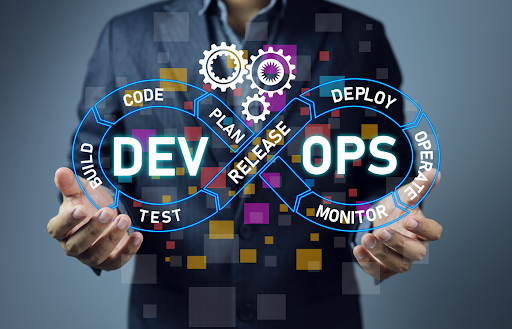
The demand for skilled DevOps engineers continues to rise as organizations accelerate their software delivery cycles and cloud migrations. A DevOps engineer course has earned its place as one of the most impactful programs in the best corporate training programs available today. It transforms developers, system admins, and operations staff into versatile professionals who can design, build, and manage modern CI/CD pipelines, infrastructure as code, and cloud-native systems.
Here is a complete guide to understanding this course and why it belongs in your organization’s training strategy.
What Is a DevOps Engineer Course?
A DevOps engineer course trains professionals in the practices, tools, and culture needed to bridge the gap between software development and IT operations. Graduates of this program can:
• Build and manage CI/CD pipelines
• Automate infrastructure using tools like Terraform and Ansible
• Containerize and orchestrate applications with Docker and Kubernetes
• Monitor system performance and respond to incidents effectively
• Apply DevSecOps principles to embed security throughout the pipeline
Core Curriculum of a DevOps Engineer Course
| Module | Topics | Key Tools |
| Version Control | Git workflows, branching strategies | Git, GitHub, GitLab |
| CI/CD | Pipeline setup, automated testing, deployment | Jenkins, GitHub Actions, CircleCI |
| Containerization | Docker basics to advanced orchestration | Docker, Kubernetes, Helm |
| Infrastructure as Code | Automated provisioning and management | Terraform, Ansible, CloudFormation |
| Monitoring | Logging, alerting, observability | Prometheus, Grafana, ELK Stack |
| Cloud Platforms | Cloud-native DevOps practices | AWS, Azure, GCP |
| Security | DevSecOps, vulnerability scanning | Snyk, SonarQube, Trivy |
Why DevOps Training Is Found in the Best Corporate Training Programs
Companies that adopt DevOps practices consistently deliver software faster, with fewer bugs, and with greater reliability. That is why the best corporate training programs always include a strong DevOps component.
Key reasons DevOps training delivers ROI:
• Faster release cycles mean faster time-to-market
• Automated testing reduces bugs reaching production
• Infrastructure as code reduces manual errors and improves consistency
• Cross-functional collaboration improves team culture and efficiency
• Cloud cost optimization through better resource management
Step-by-Step: Implementing a DevOps Training Program
- Assess the current state of your software delivery pipeline
- Identify which teams need DevOps skills — dev, ops, or both
- Select a course format: self-paced, cohort, or bootcamp
- Set up a shared DevOps lab environment for hands-on practice
- Start with CI/CD and version control — the highest-impact starting points
- Progress to containerization and infrastructure as code
- Conclude with monitoring, security, and cloud-specific DevOps practices
- Evaluate through real pipeline builds, not just written tests
Key Benefits of a DevOps Engineer Course for Your Organization
• Dramatically reduced deployment frequency and failure rate
• Shorter mean time to recovery (MTTR) when incidents occur
• Stronger collaboration between development and operations teams
• Better cloud resource management and cost efficiency
• More attractive workplace for technical talent
Common Mistakes in DevOps Corporate Training
• Teaching tools in isolation without the broader DevOps culture context
• Skipping soft skills — DevOps is as much about mindset as tooling
• Not connecting training to real projects your team is working on
• Ignoring security practices — DevSecOps is now essential, not optional
• Running a one-time training instead of building continuous learning habits
Best Practices for DevOps Training Success
• Pair technical training with internal process reviews
• Set up inner-source projects where teams collaborate using DevOps principles
• Celebrate milestones — first automated pipeline, first zero-downtime deployment
• Bring in external DevOps practitioners for live Q&A sessions
• Create a DevOps maturity roadmap and track progress quarterly
FAQs: DevOps Engineer Course in Corporate Training
1. Who should take a DevOps engineer course?
Developers, system administrators, QA engineers, and IT operations staff are the primary audience. Managers overseeing engineering teams also benefit from the foundational modules.
2. What certifications align with a DevOps engineer course?
Popular certifications include AWS DevOps Engineer Professional, Google Cloud Professional DevOps Engineer, Docker Certified Associate, and the Certified Kubernetes Administrator (CKA).
3. How long does a DevOps engineer course take?
A comprehensive DevOps course in a corporate setting typically runs 40 to 60 hours, delivered over 6 to 12 weeks depending on team availability.
4. Is DevOps training worth it for non-engineers?
The technical tools sections are best for engineers. However, the DevOps culture, agile practices, and process improvement sections are valuable for project managers, scrum masters, and technical product owners.
5. Can a DevOps course be combined with cloud training?
Absolutely. Many of the best corporate training programs combine DevOps with cloud certifications like AWS, Azure, or GCP to create a powerful end-to-end learning path.
Conclusion
DevOps is not just a methodology — it is a competitive advantage. The best corporate training programs recognize this and invest in DevOps engineer development at all levels of the technical organization.
Build the DevOps culture your engineering team deserves. Start with the right course and watch your delivery speed, quality, and team morale transform.
Ready to build a world-class DevOps team? Explore our DevOps engineer course and request a customized training plan for your organization.