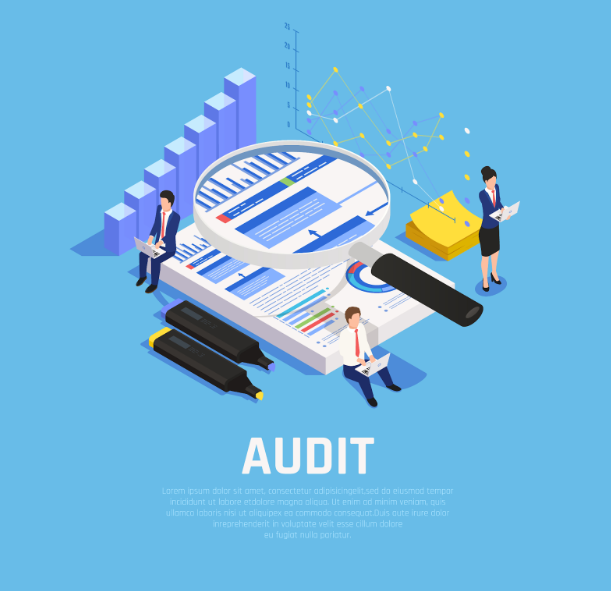
Professionals seeking to advance in auditing roles benefit from programs that provide practical skills and knowledge across industries. These programs combine theory with hands-on training in evaluating management systems, risk assessment, and compliance standards. Completing a lead auditor course strengthens your professional profile and opens opportunities for leadership roles in internal and external audits.
Auditing careers now demand familiarity with global standards, technological tools, and regulatory frameworks. By enrolling in a lead auditor course, professionals gain the expertise to conduct audits effectively, provide actionable recommendations, and contribute to continual improvement initiatives. This training builds confidence to manage complex audit assignments while maintaining accuracy and objectivity.
Key Advantages of Enrolling in a Lead Auditor Course
By understanding these benefits, professionals can see how certification elevates their career potential and organizational impact:
1. Professional Credibility
Certification demonstrates your ability to lead audits, analyze processes, and ensure compliance. Employers and clients recognize certified auditors as trustworthy experts capable of improving organizational performance. It also signals commitment to professional development, helping you stand out in competitive job markets.
2. Practical, Hands-On Training
Lead auditor programs integrate simulations, case studies, and real-world scenarios. You learn to review documentation, interview stakeholders, and identify gaps in processes, translating theoretical knowledge into actionable audit insights. This practical experience builds confidence in executing audits independently and effectively.
3. Career Advancement
Certification opens doors to senior roles such as audit manager, compliance consultant, or quality assurance lead. Certified auditors can mentor teams, manage audit programs, and influence organizational strategy, positioning themselves as valuable assets for leadership and decision-making roles.
4. Exposure to Global Standards
Auditors gain familiarity with widely recognized international standards such as ISO 9001, ISO 14001, and ISO 27001. This knowledge allows professionals to align business processes with global benchmarks, ensuring consistency, credibility, and compliance in multinational organizations or clients.
5. Analytical and Communication Skills
Auditors develop the ability to critically evaluate processes, identify risks, and propose corrective actions. They also enhance skills in documenting findings clearly and communicating recommendations effectively to management, teams, and stakeholders, ensuring audit results drive real organizational improvements.
6. Networking Opportunities
Training programs bring together professionals from diverse industries, fostering knowledge exchange, collaborations, and potential career connections. These networking opportunities allow participants to share experiences, learn best practices, and build long-term professional relationships that can benefit their career growth.
Mid-Career Benefits of Lead Auditor Courses
For auditors seeking to expand their responsibilities, a lead auditor course offers advanced competencies in risk assessment, process evaluation, and compliance auditing. Professionals gain the ability to lead complex audits, guide organizations through corrective actions, and ensure adherence to legal and regulatory requirements. Employers value certified auditors for their ability to enhance internal controls, reduce operational risks, and improve overall governance.
Auditors can apply these skills across various domains, from quality management to environmental and occupational health systems. By mastering auditing frameworks and tools, professionals ensure accurate reporting and actionable insights, which are vital for organizational improvement. Moreover, a lead auditor certification reinforces credibility during client engagements, particularly in consultancy and third-party auditing roles.
Case Study Approach in Training
Modern lead auditor courses frequently incorporate detailed case studies and interactive simulations that reflect real-world auditing challenges. Participants are tasked with analyzing complex audit scenarios, identifying non-conformities, assessing risks, and developing actionable corrective plans. This immersive, hands-on approach ensures that learners can effectively translate theoretical knowledge into practical skills, improving their efficiency, decision-making, and confidence in actual auditing assignments. By experiencing realistic audit situations in a controlled environment, participants gain the ability to anticipate challenges and respond proactively in professional settings.
Continuous Professional Development
Certified auditors are encouraged to maintain and enhance their credentials through ongoing professional learning. This continuous development ensures they remain informed about regulatory updates, emerging industry risks, and evolving best practices in compliance and auditing. A lead auditor course not only equips professionals with initial certification but also establishes a foundation for lifelong learning, enabling them to adapt to dynamic industry standards, refine their expertise, and maintain a competitive edge throughout their auditing careers.
Integrating ISMS Knowledge
A significant advantage of lead auditor training is its applicability to specialized frameworks such as information security. Professionals often complement their auditing skills with an ISMS course, which equips them to assess and safeguard information security management systems. Combining auditing expertise with ISMS knowledge enables auditors to handle complex information security risks, conduct risk assessments, and ensure compliance with ISO 27001 standards. This combination is increasingly valuable in today’s digital and data-driven business environment.
Personal and Organizational Impact
Organizations benefit from auditors trained through lead auditor programs as they bring a systematic approach to compliance, risk management, and continuous improvement. Auditors can influence organizational culture, ensuring that policies and procedures are followed effectively. On a personal level, certification boosts confidence, enhances decision-making abilities, and provides recognition in a competitive market.
Choosing the Right Training Provider
Selecting a reputable training provider is crucial for maximizing the value of a lead auditor course. Quality providers offer experienced instructors, comprehensive study materials, practical exercises, and dedicated support for exam preparation. Many also provide post-course mentorship, online resources, and refresher sessions to strengthen knowledge retention and skill application, ensuring learners can confidently apply their skills in real-world auditing scenarios.
Conclusion
Investing in a lead auditor course is a strategic step for professionals seeking career growth in auditing. Certification validates expertise, enhances credibility, and opens doors to leadership roles in various domains, including quality, safety, environmental, and information security management systems. When combined with complementary training such as an ISMS course, auditors can provide organizations with robust compliance and risk management solutions.
If you are looking for professional training and certification to advance your auditing career, KBS Certification Services Limited provides global training, validation, and certification services across multiple domains. Established in 2005, KBS helps professionals develop skills and achieve recognition in quality, health, safety, environmental, and sustainability auditing. Their comprehensive programs empower auditors to advance careers, improve organizational performance, and meet international standards effectively.