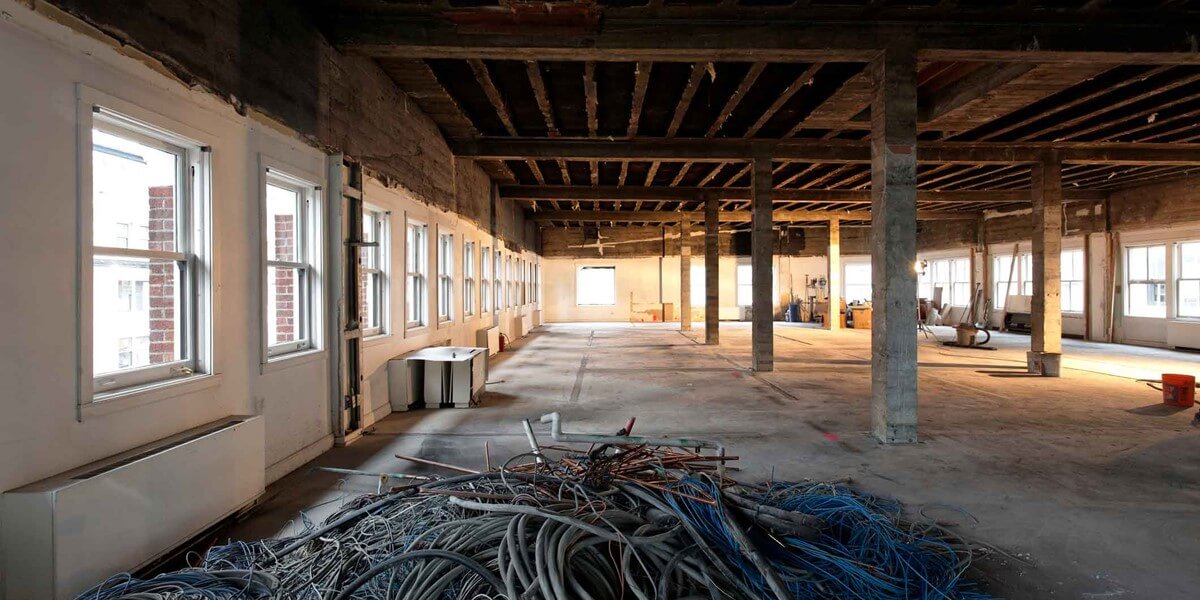
Introduction: Why Soft Strip Demolition Is Critical Before Refurbishment
Refurbishment projects in London often fail before they start.
Hidden services.
Unsafe removals.
Unexpected delays.
Soft strip demolition is the first controlled step that prepares a building for refurbishment or redevelopment. UK construction data shows that poorly managed strip-out works are a leading cause of programme overruns and health and safety incidents on refurbishment projects.
For working professionals managing offices, retail units, or commercial buildings, soft strip demolition reduces risk, protects compliance, and keeps projects on schedule. This article explains soft strip demolition in London through a structured listicle focused on safety, compliance, and practical value.
How We Selected These Soft Strip Demolition Stages
Each stage below was selected using a practical and compliance-focused method:
- Relevance to London commercial and mixed-use buildings
- Alignment with UK health and safety regulations
- Risk reduction for clients and building occupants
- Impact on refurbishment timelines and costs
- Suitability for occupied or partially occupied sites
Pre Strip Out Surveys and Planning
Why Planning Comes First
Soft strip demolition starts with knowledge.
Without surveys, contractors risk damaging live services or disturbing hazardous materials.
Pre-strip out planning includes:
- Building surveys
- Service isolation checks
- Risk assessments and method statements
- Waste management planning
Benefits for UK Professionals
- Reduced safety incidents
- Clear scope and cost control
- Fewer delays once work begins
Identification and Isolation of Building Services
Managing Live Services Safely
Commercial buildings often contain active electrical, data, water, and HVAC systems. These must be identified and isolated correctly.
This stage covers:
- Electrical isolation
- Water and gas disconnections
- Data and communication service protection
Why This Matters
- Prevents serious accidents
- Protects remaining building systems
- Allows safe working conditions
Removal of Non-Structural Internal Elements
What Soft Strip Demolition Includes
Soft strip demolition removes all non-load-bearing elements while leaving the structural frame intact.
Typical removals include:
- Partition walls
- Suspended ceilings
- Floor finishes
- Fixtures and fittings
Value for Project Owners
- Clean and open structure for refurbishment
- Faster follow-on trades
- Reduced risk of structural damage
Hazardous Material Awareness and Management
Dealing With Older London Buildings
Many London buildings contain asbestos or other hazardous materials. These must be identified before strip out begins.
Professional contractors manage:
- Asbestos surveys
- Controlled removal where required
- Licensed waste handling
Why This Protects Your Project
- Legal compliance
- Protection of workers and occupants
- Avoidance of enforcement action
Waste Segregation and Responsible Disposal
Managing Strip Out Waste Correctly
Soft strip demolition generates large volumes of waste. Proper segregation reduces disposal costs and supports sustainability targets.
This includes:
- Separation of recyclable materials
- Safe storage on site
- Approved waste transfer documentation
Benefits for Businesses
- Lower waste disposal costs
- Compliance with environmental regulations
- Improved sustainability reporting
Working in Occupied or Live Environments
Minimising Disruption
Many strip-out projects take place in buildings that remain partially occupied.
Control measures include:
- Phased work schedules
- Noise and dust control
- Clear access management
Value for Occupiers and Owners
- Reduced business disruption
- Improved safety for occupants
- Better stakeholder communication
Health and Safety Compliance on Site
Legal Responsibilities in the UK
Soft strip demolition must comply with:
- CDM Regulations
- Health and Safety at Work Act
- Site-specific risk assessments
Contractors implement:
- Toolbox talks
- Site supervision
- Safe access systems
Why Compliance Matters
- Reduced accident risk
- Protection against legal claims
- Stronger project reputation
Handover for Refurbishment or Fit Out
Preparing the Site for the Next Phase
Once soft strip demolition is complete, the site is handed over, ready for refurbishment.
This includes:
- Clean structural shell
- Verified service isolations
- Completion documentation
Why This Step Saves Time
- Faster start for fit-out teams
- Fewer unknowns during construction
- Improved coordination between trades
Choosing the Right Soft Strip Demolition Contractor in London
Before appointing a demolition contractor, professionals should review:
- Experience with London commercial projects
- Strong health and safety systems
- Knowledge of hazardous material management
- Clear waste handling processes
- Transparent pricing and timelines
Final Thoughts: Soft Strip Demolition Sets the Tone for the Entire Project
Soft strip demolition is not just removal work. It is a controlled process that defines safety, cost, and programme success for refurbishment projects.
For UK working professionals, professional soft strip demolition delivers:
- Safer sites
- Strong legal compliance
- Reduced delays
- Better refurbishment outcomes