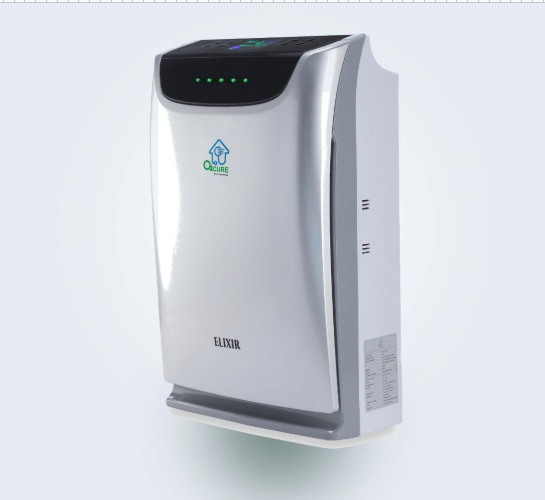
Walk through a manufacturing facility, warehouse, or processing unit, and the air may contain more than what the eye can see. Fine dust, fumes, odors, chemical vapors, and microscopic particles can enter the indoor environment through production activities and material handling. An air purifier designed for industrial applications can help capture and reduce these contaminants, supporting cleaner air across demanding work environments.
Industrial spaces also differ greatly in their operations, layouts, ventilation, and pollution sources. A system that works for a small workspace may not suit a large production floor. Understanding the sources of industrial air pollution and the technologies available for controlling them is therefore essential for creating a more effective indoor air management strategy.
Understanding Industrial Air Quality Challenges
Industrial facilities can generate airborne contaminants through manufacturing, welding, cutting, painting, chemical processing, combustion, and material movement. These activities may release particulate matter, fumes, gases, odors, and other pollutants into the surrounding air. Without appropriate control measures, contaminants can circulate through occupied areas and settle on equipment and surfaces.
The scale of industrial buildings can make air purification more challenging. Large floor areas, high ceilings, multiple production zones, and varying ventilation patterns require carefully planned solutions. Understanding the specific sources and characteristics of pollutants helps determine which purification technologies are appropriate for the facility.
How Advanced Air Purification Controls Industrial Pollutants
Advanced air purification systems draw contaminated air through specialized filtration and purification stages. Depending on the application, these systems can target fine particles, dust, odors, volatile organic compounds, and biological contaminants. Continuous operation helps reduce the amount of pollutants circulating within occupied areas.
A modern air cleaner purifier can combine technologies such as high-efficiency filtration, activated carbon, UV purification, and ionization to address different contaminants. The right combination depends on the facility’s processes, pollutant levels, airflow requirements, and overall building design.
Key Benefits of Industrial Air Purification
- Reduces airborne dust and fine particulate matter.
- Helps control fumes and process-related pollutants.
- Minimizes unpleasant industrial odors.
- Supports cleaner air across large work areas.
- Helps reduce the circulation of airborne contaminants.
Effective purification provides an additional layer of air quality control within industrial environments. When properly selected, installed, and maintained, these systems can support cleaner and more comfortable working conditions.
Key Technologies Used in Industrial Air Purification
Industrial air purification uses technologies selected according to the type and concentration of pollutants present. Combining suitable methods helps address multiple contaminants while considering factors such as ventilation, facility operations, and treatment areas. This approach supports a more effective purification strategy tailored to specific industrial needs.
- HEPA Filtration
High-efficiency particulate filtration captures very small airborne particles, including fine dust and other microscopic contaminants. It is useful where particulate control is a significant concern.
- Activated Carbon Filtration
Activated carbon helps absorb odors and certain gaseous pollutants, including volatile organic compounds released during industrial processes and from various materials.
- UV Air Purification
UV-based systems use ultraviolet technology to help reduce airborne microorganisms. This can provide additional purification support in facilities where biological contaminants are a concern.
- Bipolar Ionization
Bipolar ionization introduces charged particles into the air that interact with airborne contaminants. This technology can complement filtration by helping particles become easier to capture.
- HVAC-Integrated Purification
Purification systems can be integrated into existing HVAC infrastructure to treat air as it moves through ventilation networks. This approach can provide broader coverage across large facilities and multiple indoor zones.
Factors to Consider When Selecting an Industrial Air Purification System
Choosing an appropriate system requires more than considering the facility’s size. Industrial operations can produce different types of pollutants, and their concentration may vary between production areas, storage zones, and occupied spaces.
The system should therefore be selected according to the facility’s actual requirements. Evaluating airflow, pollutant sources, operating conditions, and maintenance needs helps ensure the purification solution provides consistent performance.
- Type and concentration of airborne contaminants.
- Size and layout of the industrial facility.
- Required airflow and purification capacity.
- Compatibility with existing HVAC infrastructure.
- Filter replacement and maintenance requirements.
Careful planning helps ensure that the selected system can operate effectively within the facility. Proper installation and regular maintenance are equally important for sustaining purification performance over time.
Maintaining Effective Industrial Air Purification
Even advanced purification systems require consistent maintenance to operate efficiently. Filters gradually collect the contaminants they remove, while other purification components may require inspection and servicing. Ignoring maintenance can reduce airflow and affect the system’s ability to perform effectively.
A planned maintenance schedule helps identify worn components, clogged filters, and other performance issues before they become significant. Regular servicing also supports reliable operation and allows facilities to maintain consistent air purification across their working areas.
- Replace filters according to recommended intervals.
- Inspect purification components regularly.
- Keep air intake and outlet areas unobstructed.
- Monitor system performance across different zones.
- Schedule professional servicing when required.
Consistent maintenance protects the performance of the purification system and supports long-term efficiency. It also helps industrial facilities respond more effectively to changing air quality requirements as operations evolve.
Supporting Better Air Quality Across Industrial Facilities
Industrial air quality management should address the entire environment rather than focusing on a single production area. Different sections of a facility may experience different pollution sources, making customized purification strategies particularly valuable for large or complex buildings.
Purification can complement existing ventilation and other pollution-control measures by reducing airborne contaminants within occupied spaces. When technologies are selected according to actual site conditions, industrial facilities can create cleaner indoor environments while maintaining appropriate airflow and operational efficiency.
Conclusion
Industrial air quality requires a targeted approach because manufacturing and processing activities can introduce a wide range of airborne contaminants. Advanced purification technologies help address dust, fine particles, fumes, odors, microorganisms, and certain gaseous pollutants while supporting cleaner working environments. Proper system selection, installation, and maintenance are essential for achieving reliable long-term performance.
Those looking for comprehensive indoor air purification solutions can consider O2Cure, which provides advanced systems designed for diverse residential, commercial, healthcare, educational, and industrial environments. Its customized approach addresses different purification requirements, while solutions such as an air purifier for home demonstrate how specialized air purification can be adapted to varying indoor applications and air quality needs.