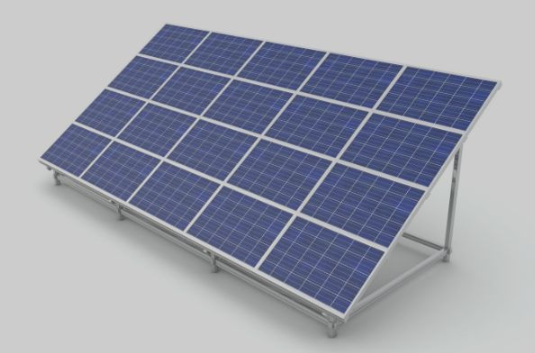
Solar panel mounting systems need stable, accurately positioned, and durable components to support panels effectively. Selecting the right Aluminium Section solar panel mounting structure is important because the profile must suit the panel arrangement, connection method, and supporting framework.
Aluminium extrusion provides flexibility in creating sections for different mounting and assembly requirements. Understanding common profile shapes and the factors that influence their selection can help project teams choose sections that fit the structure while keeping fabrication and installation practical.
Understanding Aluminium Sections in Solar Mounting Systems
An aluminium section is an extruded profile created by shaping aluminium alloy through a die. The resulting cross-section can take different forms, including solid, hollow, channel, angle, or customised geometries. In solar mounting applications, these sections can be used for frames, rails, supports, brackets, and other structural components.
The usefulness of a profile depends on more than the material itself. Cross-sectional shape, dimensions, connection points, fabrication requirements, and environmental exposure can influence how effectively a section works within a mounting assembly. A suitable profile should provide the required geometry while remaining compatible with connected components.
Profile Shapes Used in Mounting Applications
Different profile geometries provide different options for supporting and connecting solar components. Select the right shape based on the role it needs to perform, rather than simply choosing a commonly available section. A well-matched profile can simplify assembly and support consistent positioning.
- Channel Profiles
Channel sections provide an open geometry with accessible surfaces for fastening and assembly. They can be useful for rails, supports, and framework components where fittings need convenient connection points.
- Angle Profiles
Angle sections have two intersecting faces that can support corner connections, brackets, and reinforcement points. Their straightforward shape makes them suitable where components need to meet at defined angles.
- Rectangular Profiles
Rectangular sections offer a regular shape with different width and height dimensions. They can be selected when the mounting design requires a stable, consistent form that fits the available installation space.
- Tubular Profiles
Tubular sections contain an enclosed internal space and can provide a continuous form for suitable support applications. Their selection depends on dimensions, connection arrangements, and the requirements of the overall mounting structure.
- Custom Extruded Profiles
Some projects may require grooves, channels, holes, or specific connection features within the section. Custom extrusion allows the cross-section to be developed around these requirements, helping the profile integrate more directly with the intended assembly.
Factors That Influence Profile Selection
Selecting the right profile requires attention to the complete mounting arrangement rather than focusing on one specification alone. For an Aluminium Section solar panel solution, dimensions, panel layout, connection methods, available space, fabrication requirements, and outdoor exposure should be considered together to ensure the section suits the intended structure and installation conditions.
- Profile Dimensions
The dimensions of an aluminium section should correspond with the available installation space and the requirements of the mounting arrangement. Width, height, wall thickness, and overall profile geometry can influence how the section connects with other components and fits within the planned structure.
- Connection Requirements
A mounting system depends on secure connections between profiles, panels, brackets, fasteners, and supporting components. The selected profile should therefore provide suitable surfaces or features for the intended fastening method, helping components align properly during assembly.
- Structural Arrangement
The position and role of each section within the mounting structure should be considered before selection. Profiles used as rails, supports, frames, or connecting elements may have different design requirements, making it important to match the section geometry with its specific function.
- Fabrication Needs
Some aluminium sections require additional processing before they can be incorporated into a mounting system. Cutting, drilling, punching, bending, or other machining operations may be necessary, so the profile should be suitable for the fabrication processes required for the finished component.
Practical Checks Before Selecting a Profile
A clear checklist can help project teams compare available sections according to their actual mounting requirements. The following factors should be reviewed before finalising the profile:
- Cross-sectional shape and dimensions
- Panel layout and mounting arrangement
- Connection and fastening requirements
- Cutting, drilling, punching, or bending needs
- Outdoor exposure and surface treatment
- Compatibility with the complete support structure
Reviewing these points can make profile selection more organised and reduce avoidable changes during fabrication.
A considered selection also helps ensure that the chosen section works effectively with the rest of the mounting assembly.
Fabrication and Finishing Considerations
Selecting a profile is only one part of preparing an aluminium mounting component. Depending on the design, extruded sections may need to be cut to specified lengths or processed with holes, bends, and other features. Accurate fabrication helps finished components fit together according to the intended mounting arrangement.
Surface finishing can also be considered where profiles are exposed to environmental conditions. Anodising forms a protective oxide layer on aluminium, while powder coating provides a finished surface with options for appearance and protection. The appropriate treatment depends on the profile and the requirements of the application.
Matching Profile Design With Project Requirements
A solar mounting system works as a connected assembly rather than as separate aluminium sections. Profiles need to work with panels, fasteners, brackets, rails, and other supporting components. Dimensional consistency and connection compatibility therefore become important during both design and manufacturing.
Where an existing profile does not meet the required specifications, custom extrusion can provide greater design flexibility. A purpose-designed section can incorporate particular grooves, connection features, or dimensions needed for the assembly, allowing the profile to fit the intended system more directly.
Final Thoughts
Choosing the right aluminium section for a solar mounting system requires attention to geometry, dimensions, connections, fabrication, finishing, and installation conditions. Considering these factors together can help create a mounting structure that is practical to manufacture, assemble, and maintain. The profile should ultimately support the requirements of the complete system rather than being selected in isolation.
For businesses seeking reliable extrusion solutions, JM Aluminium provides Aluminium facade system profiles along with standard and custom aluminium extrusion capabilities for varied applications. Its services include extrusion, machining, anodizing, powder coating, and quality control, supporting different profile and finishing requirements through connected manufacturing capabilities. With an emphasis on precision and application-specific solutions, JM Aluminium offers dependable aluminium profile solutions for solar mounting structures and other industrial applications.