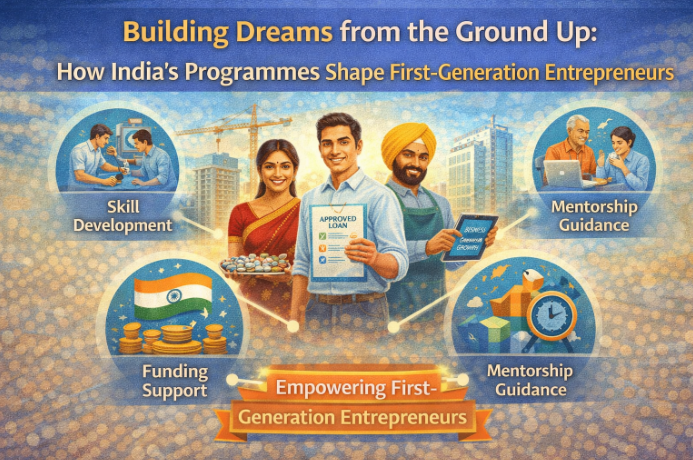
The idea of business ownership may start small, yet it grows through structured support. In India, programs for new founders provide a strong journey from idea to action. The types of entrepreneurship development programme in India describes the various programs for new founders who need guidance through training and learning to reach a stage of confident decision-making and business action.
- Local Access and Early Confidence: District centres provide training close to home for new founders, making it easy for families with little business experience to get started. Trainers use relatable stories and exercises to help participants build confidence from the first week. They may include pitching, costing, and basic compliance activities, which help participants translate their ideas into action through group discussions and visits to nearby markets.
- Structured Curriculum and Clear Pathways: Programs progress through various modules that progress from idea discovery to market validation and launch. Each module provides founders with assignments, peer feedback, and mentor feedback. Founders learn how to run their day-to-day business through bookkeeping, taxation, and digital tools. Founders also learn how to set their goals in sync with timelines and available resources through collaborative studio sessions.
- Mentorship Networks: Programs feature seasoned entrepreneurs and domain mentors who help founders learn through real-life situations. Founders learn from mentors on how to source as well as how to build customers. Founders also learn from similar backgrounds, which helps instil belief and persistence in their business and helps in making ethical decisions for business growth within community contexts.
- Finance Literacy and Access Channels: Training is provided in basic techniques for grasping cash flow, unit economics, and working capital. Participants learn how to present basic financial statements and how to approach banks and schemes in a well-documented manner. The applications in a simulated environment assist in better preparedness, and the links to microfinance, cooperatives, and digital lending platforms assist in raising capital and developing habits of discipline in repayments.
- Market Linkages and First Customers: Programmes connect entrepreneurs with customers through fairs, online platforms, etc. Entrepreneurs use these platforms to test their products in small quantities. They receive feedback on their products and learn to enhance their product presentation and pricing. They are also trained in branding, storytelling, and quality to build customer loyalty. This way, initial transactions are converted into customer relationships after the training.
- Community Support and Family Inclusion: Family orientation is included in some sessions, where families learn how the business works and how they can help their family members. First-generation entrepreneurs derive a sense of community from groups of peers, where they share contacts and resources. Programs for recognition of communities assist entrepreneurs in celebrating their milestones, thereby reinforcing their identity as entrepreneurs and enabling them to continue operating as entrepreneurs with a sense of pride.
In conclusion, these programs establish identity, discipline, and opportunity to enable individuals to transform aspirations into successful ventures. This journey links entrepreneurship skills to workforce growth, which represents types of training and development programs for employees to extend benefits to teams and aspiring entrepreneurs beyond founders. The graduates take forward a culture of planning, learning, and collaboration to build stronger economies in the process.