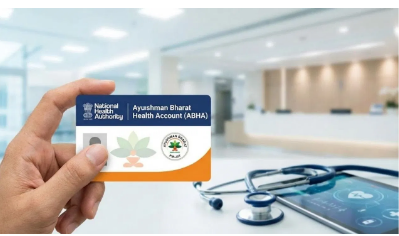
The Ayushman Bharat Pradhan Mantri Jan Arogya Yojana (AB-PMJAY) scheme has been a revolutionary step in providing free healthcare to millions across the country. Under this initiative, eligible beneficiaries receive coverage for a wide range of medical treatments without any financial burden. However, recent updates to third-party regulations make it imperative for individuals to follow certain new steps to ensure uninterrupted access to healthcare services under the program.
In this article, we discuss how third-party Ayushman card rule changes could impact free treatment under AB-PMJAY. We’ll also shed light on the importance of compliance with updated procedures such as e-KYC, Ayushman card download processes, and other key aspects of the revised requirements. Staying informed and fulfilling these mandates is essential for all beneficiaries to avoid potential issues when seeking healthcare.
Importance of the Ayushman Card and Revised Rules
The Ayushman card serves as a vital gateway for beneficiaries to access healthcare services under the Ayushman Bharat program. This card holds crucial personal and eligibility information, allowing hospitals to identify and validate patients for free treatment.
In 2026, one of the major updates to these rules includes making e-KYC (electronic Know Your Customer) mandatory for stakeholders. This procedural change ensures accurate identification of beneficiaries and minimizes fraudulent activities. Whether you’re applying for a new Ayushman card or updating an existing one, adhering to e-KYC rules is crucial to prevent interruptions in healthcare benefits.
Failing to comply with specific updates can lead to rejected claims or the inability to avail of services altogether. Hence, understanding the Ayushman card download steps and staying informed about new protocols is paramount for seamless enrollment and usage.
Mandatory e-KYC: Explained
One of the primary components of the revised Ayushman card rules is e-KYC. This process validates the identity of beneficiaries using electronic data, typically relying on Aadhaar-linked verification for accuracy. For beneficiaries, this ensures smoother processing of claims and better access to healthcare facilities.
Under the updated regulations, all beneficiaries are required to complete e-KYC for their Ayushman card. The process ensures that user information such as name, age, gender, income bracket, and eligibility status is accurately recorded. Hospitals and other stakeholders involved in the scheme can rely on authenticated data for faster service delivery.
Failing to complete e-KYC could result in individuals being denied healthcare benefits, even though they may qualify for them. This new mandate creates an added layer of administrative checks while fostering trust and transparency in the overall management of the scheme.
How to Complete the Ayushman Card Download Process
To ensure compliance with the updated rules, beneficiaries must complete necessary steps for Ayushman card download and e-KYC verification. Here’s a simplified guide:
1. Check Your Eligibility
Before you proceed with the Ayushman card download, verify your eligibility on the Ayushman Bharat website or through official channels. Input details such as your name, mobile number, or ration card to confirm whether you qualify as a beneficiary.
2. Complete Online Registration
If you’re eligible, initiate registration online. Fill out the necessary application form, providing accurate information about yourself and your family members. Ensure details such as Aadhaar numbers, addresses, and income brackets are entered correctly.
3. Adhere to e-KYC Requirements
Complete the mandatory e-KYC verification using your Aadhaar card. This step ensures your identity is validated electronically and minimizes the chances of data discrepancies. If your Aadhaar is not linked to your mobile number, visit the nearest Aadhaar enrolment center for updates.
4. Download the Ayushman Card
Once registration and e-KYC are complete, you can perform the Ayushman card download from official platforms. Remember to keep a printed copy for use during hospital visits.
5. Keep Records Updated
Follow up periodically on any updates to your Ayushman card information. If there are changes in family details, address, or other crucial data, ensure timely revisions.
Impact of Non-Compliance with Revised Rules
The updated rules for Ayushman card implementation are designed to streamline processes and reduce errors. However, failure to comply with the e-KYC mandate or other procedural changes could have adverse effects on beneficiaries.
Here are some potential risks of non-compliance:
1. Disruption to Free Treatment Access
Medical treatments are costly, and the inability to access free healthcare under the Ayushman Bharat scheme could burden low-income families with substantial financial challenges. Not following the updated rules could lead to denial of services at empaneled hospitals.
2. Invalid Claims
Hospitals could reject claims in the absence of proper documents or e-KYC validation. If beneficiaries fail to provide verified Ayushman card details or comply with updates, medical facilities may not process claims under the scheme.
3. Delayed Processing
Failure to complete mandatory processes on time could lead to delays in accessing healthcare benefits. Beneficiaries might face longer waiting times or administrative bottlenecks when seeking services.
4. Increased Fraud Risks
Unverified Ayushman card credentials could be misused, potentially leading to increased fraudulent claims. The mandatory e-KYC step under the new rules addresses this concern, encouraging transparency and accountability.
Role of Beneficiary Awareness and Compliance
While Ayushman Bharat continues to serve as a significant healthcare initiative, success lies in ensuring beneficiary awareness and compliance with updated rules. Beneficiaries must proactively manage their Ayushman card registration, e-KYC completion, and regular updates to secure uninterrupted access to free treatments.
1. Stay Updated
Government regulations and third-party processes can undergo periodic changes. Beneficiaries should remain informed about updates to Ayushman card rules and ensure timely action to meet revised guidelines.
2. Utilize Official Communication Channels
Avoid relying on unauthorized parties to assist with Ayushman card concerns. Use official government websites and authorized centers to secure accurate information and prevent misinformation.
3. Maintain Documentation
Keep essential documents such as Aadhaar cards, ration cards, and income certificates readily available. These are often required for verification or updates to Ayushman card data.
4. Educate Others
Spread awareness within your community about updated regulations such as mandatory e-KYC. Helping others stay informed can contribute to a more efficient implementation of the scheme at the grassroots level.
Conclusion
The Ayushman Bharat Pradhan Mantri Jan Arogya Yojana has been a transformative healthcare intervention for economically weaker sections. However, beneficiaries must adhere to updated rules to ensure seamless access to free treatments. The Ayushman card download process and mandatory e-KYC requirements are core components of these revised protocols, directly impacting eligibility and service delivery.
Failure to comply with these regulations could lead to denial of benefits, delayed claim processing, or an additional financial burden. Beneficiaries must prioritize completing registration and e-KYC verification within stipulated timeframes. By staying informed, actively engaging with updated policies, and complying with mandatory procedures, individuals can continue to enjoy the security offered by this visionary healthcare scheme. Taking proactive measures today can help avoid future disruption in medical services and ensure the well-being of those who need them most.