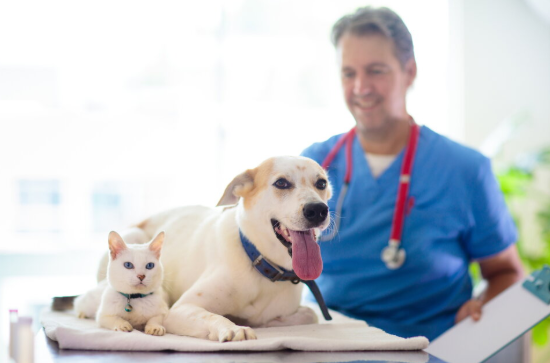
Pet owners often focus on nutrition, vaccinations, grooming, and exercise while overlooking reproductive health management during the early stages of care. Veterinary professionals regularly emphasize preventive procedures because they contribute to long-term wellness, behavioral stability, and reduced medical complications later in life. Timely surgical intervention also helps manage population control among companion animals living within urban residential communities.
Many families researching preventive veterinary procedures eventually begin learning about spaying neutering cats while comparing treatment timelines, recovery expectations, and long-term health benefits. Veterinary evaluation plays an important role before scheduling surgery because factors such as breed, age, weight, and existing medical conditions influence procedural planning. Careful consultation ensures pets receive appropriate monitoring before, during, and after surgery.
Why Preventive Reproductive Care Matters for Household Pets
Preventive reproductive procedures contribute significantly to the long-term physical well-being of companion animals. Female pets may face increased risks associated with uterine infections or reproductive cancers when surgical intervention is delayed for extended periods. Male animals can also develop territorial behaviors, hormone-driven aggression, or roaming tendencies that affect household routines and outdoor safety.
Veterinary specialists frequently recommend early evaluation because behavioral changes often become easier to manage when procedures are performed at appropriate developmental stages. Controlled hormonal balance may reduce marking behaviors, excessive vocalization, and stress-related reactions around other animals. These changes can support a calmer home environment while improving day-to-day interaction with owners.
Health Benefits Commonly Associated With Surgical Sterilization
Medical advantages connected to sterilization procedures extend far beyond population management alone. Veterinarians commonly discuss preventive benefits during consultations to help owners understand how surgery may reduce future medical complications affecting reproductive organs and hormonal health.
Several long-term wellness improvements are often associated with preventive sterilization procedures:
Reduced Risk of Reproductive Diseases
- Lower incidence of uterine infections in female pets
- Reduced likelihood of testicular complications in male animals
- Improved reproductive system health monitoring
Behavioral Stability at Home
- Reduced territorial aggression in some pets
- Lower frequency of spraying or marking behavior
- Decreased roaming tendencies outdoors
Improved Community Animal Control
- Fewer unplanned litters within residential communities
- Reduced strain on rescue organizations and shelters
- Better management of stray animal populations
Veterinary Assessments Conducted Before Surgery
Veterinary clinics typically perform detailed examinations before approving pets for sterilization surgery. Pre-surgical evaluation helps identify hidden medical conditions that could influence anesthesia safety or postoperative recovery. Physical examinations also allow veterinarians to determine whether pets are medically stable for the procedure.
Blood testing often forms part of the assessment process because it provides valuable insight into organ function and overall health status. Clinics equipped with diagnostic imaging and laboratory services may recommend additional screening when older pets or high-risk breeds require further evaluation before surgery.
Weight and Nutritional Evaluation
Body condition assessment helps veterinary teams determine whether pets maintain appropriate weight before surgery. Underweight or overweight animals may require dietary adjustments before anesthesia administration. Nutritional balance also influences healing speed and recovery comfort after the operation.
Vaccination and Medical History Review
Veterinarians usually review vaccination records before scheduling surgery because current immunization status helps protect pets during recovery. Medical history discussions may also reveal allergies, prior illnesses, or medication sensitivities requiring procedural adjustments.
Breed-Specific Surgical Considerations
Certain breeds may require specialized anesthesia protocols or additional monitoring during surgery. Veterinary teams evaluate respiratory health, cardiac conditions, and inherited medical predispositions before finalizing treatment plans. Breed-sensitive preparation improves procedural safety while minimizing complications.
Age and Hormonal Development Factors
The ideal timing for surgery often depends on the pet’s developmental stage and hormonal maturity. Younger animals may recover more quickly, although some breeds benefit from delayed scheduling to support proper skeletal development. Veterinary guidance helps determine suitable timing based on individual health needs.
Recovery Expectations Following Sterilization Procedures
Postoperative recovery generally requires close supervision during the first several days after surgery. Pets recovering from anesthesia may experience temporary fatigue, mild appetite changes, or limited activity levels while healing progresses. Veterinary teams often provide tailored aftercare instructions covering medication schedules, feeding adjustments, and activity restrictions.
Protective collars or recovery garments are frequently recommended to prevent licking around incision sites. Owners are usually advised to monitor swelling, discharge, or unusual discomfort during the healing period. Follow-up appointments help veterinarians assess incision healing and confirm that recovery remains on track.
Common Questions Pet Owners Ask Before Scheduling Surgery
Families preparing for sterilization procedures often raise questions regarding safety, discomfort management, and long-term effects on behavior or energy levels. Veterinary consultations create an opportunity for owners to understand realistic expectations before making treatment decisions. Transparent communication also reduces anxiety surrounding anesthesia and surgical recovery.
Some pet owners remain uncertain about whether indoor animals still require sterilization procedures. Veterinarians generally explain that reproductive health concerns may still develop regardless of indoor living arrangements. Preventive care focuses not only on breeding prevention but also on minimizing future medical complications associated with reproductive organs.
Modern Veterinary Facilities and Surgical Monitoring Standards
Contemporary veterinary clinics rely on advanced monitoring systems to improve procedural safety during surgery. Anesthesia monitoring equipment, in-house diagnostics, and surgical imaging technologies allow veterinary teams to observe heart rate, oxygen levels, and respiratory stability throughout the procedure.
Clinics offering comprehensive surgical care often integrate wellness examinations, laboratory diagnostics, emergency support, and postoperative evaluations under one facility. Many pet owners researching spaying neutering cats also prioritize clinics with experienced veterinarians, modern surgical equipment, and structured recovery guidance tailored to companion animals.
Final Thoughts
Could preventive reproductive care become one of the most important health decisions a pet owner makes during a companion animal’s lifetime? Early veterinary evaluation often supports safer surgical planning while helping owners understand recovery expectations and long-term wellness outcomes. Pet Point Veterinary Clinic provides services including wellness examinations, advanced surgery, diagnostics, vaccination support, emergency veterinary care, and specialized pet treatment within Dubai Silicon Oasis. Families considering spaying your dog in Dubai Silicon Oasis frequently seek veterinary teams capable of combining surgical precision with compassionate animal care throughout every stage of treatment.