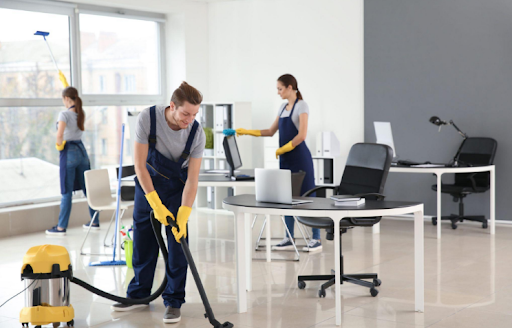
A positive work culture is built on trust, collaboration, employee well-being, and a professional environment. While organizations often focus on leadership, communication, and employee engagement, one factor that is frequently overlooked is workplace cleanliness. A clean and organized office influences how employees feel, perform, and interact with one another every day. It also shapes the impression clients, partners, and visitors form when they walk through your doors.
Investing in office cleaning services is not simply about maintaining appearances. It is about creating a workplace where employees feel valued, motivated, and comfortable. A consistently clean office promotes productivity, supports health, and contributes to an environment where people enjoy coming to work.
Clean Workspaces Encourage Higher Productivity
Employees perform better when they work in an organized and clutter-free environment. A tidy workspace reduces distractions, makes important documents easier to locate, and creates a sense of order throughout the office.
When desks, meeting rooms, and common areas remain clean, employees can focus on their responsibilities instead of worrying about untidy surroundings. A well-maintained workplace also encourages better time management, as people spend less time organizing their workstations and more time completing meaningful tasks. Clean surroundings naturally inspire professionalism and help employees stay engaged throughout the workday.
A Healthier Office Leads to Happier Employees
The office is a shared environment where germs can spread quickly through frequently touched surfaces such as keyboards, door handles, elevator buttons, conference tables, and kitchen counters.
Regular professional cleaning removes dust, bacteria, and allergens that accumulate over time. This contributes to healthier indoor air quality and lowers the risk of illnesses spreading among employees.
When fewer employees take sick leave, teams remain productive, projects stay on schedule, and businesses experience fewer disruptions. More importantly, employees appreciate working in an organization that actively prioritizes their health and well-being.
First Impressions Reflect Company Values
Every office tells a story. Clients, vendors, job applicants, and business partners begin forming opinions about a company within moments of entering the premises. Spotless reception areas, polished floors, clean meeting rooms, and organized workstations communicate professionalism, attention to detail, and high operational standards.
On the other hand, dusty furniture, overflowing trash bins, or dirty restrooms may create doubts about the organization’s overall quality. A clean office demonstrates respect for both employees and visitors, strengthening confidence in the business.
Clean Environments Reduce Workplace Stress
Messy surroundings often create unnecessary mental pressure. Clutter can make even simple tasks feel overwhelming and contribute to feelings of anxiety. An organized office creates a calmer atmosphere where employees can think more clearly and remain focused throughout the day. Walking into a fresh, clean workspace each morning positively influences mood and helps establish a productive mindset.
Reducing environmental stress also encourages better collaboration, as employees are more comfortable working together in clean meeting spaces and shared areas.
Stronger Team Morale Through Shared Standards
Clean workplaces encourage employees to maintain higher standards in their own work habits. When the office is professionally maintained, people are generally more likely to keep their desks organized, dispose of waste properly, and respect shared facilities.
This collective responsibility builds a stronger workplace culture where everyone contributes to maintaining a pleasant environment. Employees recognize that the organization values cleanliness, safety, and mutual respect, encouraging them to take greater pride in their workplace.
Better Collaboration in Comfortable Spaces
Modern offices rely heavily on teamwork. Brainstorming sessions, client presentations, and collaborative projects require meeting rooms and shared workspaces that are clean and welcoming.
Fresh-smelling conference rooms, sanitized tables, and organized common areas make employees feel comfortable exchanging ideas and working together. A clean environment removes unnecessary distractions and allows teams to concentrate on solving problems and achieving business goals. When collaboration becomes easier, innovation often follows.
Protecting Office Assets and Equipment
Office furniture, carpets, electronic devices, and flooring represent significant business investments. Dust accumulation and neglected maintenance can shorten the lifespan of these assets.
Professional cleaning helps preserve furniture finishes, carpets, glass partitions, and workstations by removing dirt before it causes permanent damage. Regular care also keeps office equipment free from excessive dust that could affect performance over time. Protecting workplace assets reduces maintenance expenses and helps businesses maintain an attractive office environment for years.
Supporting Employee Retention
Employees want to work in environments where they feel respected and comfortable. Workplace cleanliness sends a clear message that the organization cares about providing safe and pleasant working conditions.
A clean office contributes to higher job satisfaction, making employees more likely to remain with the company. It also enhances recruitment efforts by creating a positive experience for candidates attending interviews. Businesses that invest in their workplace often build stronger loyalty among their workforce.
Prepared for Unexpected Situations
Unexpected spills, accidents, weather-related messes, or post-event cleanup can disrupt daily operations if not handled quickly.
Having access to emergency cleaning services near me allows businesses to respond promptly to unforeseen situations without compromising workplace safety or productivity. Fast professional assistance ensures that operations continue smoothly while maintaining a clean and hygienic environment for employees and visitors.
Being prepared for emergencies reflects proactive management and reinforces confidence among staff.
Cleanliness Strengthens Company Culture
A positive work culture is built through consistent actions rather than occasional initiatives. Cleanliness reinforces values such as responsibility, professionalism, accountability, and respect.
Employees naturally feel more connected to organizations that invest in creating healthy and comfortable workplaces. When management demonstrates a commitment to maintaining high standards, employees often mirror those standards in their own work.
Over time, a clean office becomes more than a physical environment—it becomes part of the company’s identity. It influences employee behavior, strengthens workplace relationships, improves customer perceptions, and supports long-term business success.
Conclusion
Creating a positive work culture involves much more than offering attractive benefits or organizing team-building activities. A clean, organized workplace directly impacts employee well-being, productivity, collaboration, and morale. It also strengthens your company’s reputation among clients and visitors while protecting valuable office assets. By making workplace cleanliness a priority, businesses create an environment where employees feel motivated, respected, and inspired to perform at their best every day.
The Cleaning Squad provides dependable office cleaning services tailored to businesses of all sizes. Their experienced professionals use modern cleaning techniques and advanced equipment to maintain clean, healthy, and welcoming workplaces. Businesses trust The Cleaning Squad for consistent quality, exceptional attention to detail, and customized cleaning solutions that promote productivity and create a positive office environment.