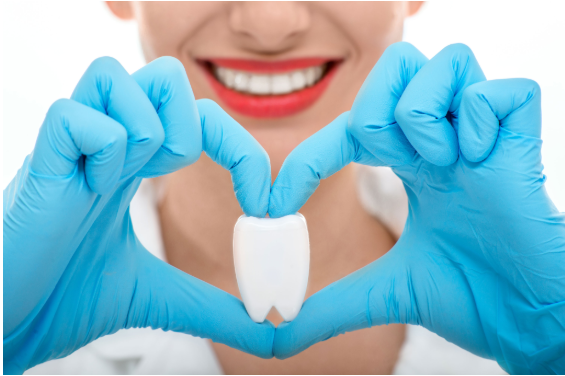
A confident smile can influence the way people communicate, interact, and express themselves. Yet creating that confidence is about more than improving the visible appearance of teeth. Healthy gums, proper alignment, balanced function, and treatments that complement natural facial features all contribute to a smile that feels authentic. As dentistry continues to evolve, advanced technology is helping patients access more precise, comfortable, and personalised approaches to oral care. For people considering modern smile correction, invisalign aligners are one example of how dental innovation has changed traditional treatment approaches. Alongside clear aligner technology, digital diagnostics, dental microscopy, laser-assisted procedures, and computer-aided treatment planning are helping dental professionals make more informed decisions and deliver carefully planned outcomes.
How Technology Is Transforming Modern Dentistry
Dental care has moved beyond simply addressing problems after they appear. Modern dentistry increasingly combines diagnosis, prevention, restoration, aesthetics, and long-term oral health within a more comprehensive treatment approach. Advanced diagnostic technologies can provide detailed information about teeth, supporting structures, and overall oral conditions. This allows dental professionals to understand concerns more clearly before recommending a treatment. Instead of relying solely on a conventional examination, dentists can use digital information to evaluate different aspects of a patient’s oral health. This is particularly useful when several concerns overlap.
Digital Diagnostics for More Informed Decisions
Accurate diagnosis is one of the foundations of effective dental care. Digital tools can support this process by offering clearer visual information and allowing dentists to assess specific areas in greater detail. Digital imaging and scanning can assist with treatment planning for a range of procedures, including orthodontic, restorative, and cosmetic treatments. These technologies can also make it easier to explain dental conditions to patients, helping them understand why a particular treatment may be recommended. Better information can lead to better conversations. Patients can discuss their concerns, expectations, available options, and long-term goals with greater clarity. This creates a more collaborative treatment experience rather than making the patient a passive recipient of care.
Precision Through Advanced Dental Microscopy
Some dental procedures require an exceptionally detailed view of small structures. In such situations, magnification and enhanced illumination can support greater precision. Dental microscopes are increasingly used for procedures where visibility is especially important, including certain root canal and restorative treatments. Enhanced magnification can help dentists examine intricate areas and work with greater control.
Precision is particularly valuable when the objective is to preserve as much healthy tooth structure as possible. Careful treatment planning combined with improved visibility can support a more meticulous approach. Technology, however, is most effective when paired with clinical expertise. Equipment provides information and enhanced visibility, but the dentist’s experience and judgement remain essential in interpreting findings and determining the appropriate course of treatment.
Clear Aligner Technology and Modern Orthodontics
Orthodontic care has experienced significant changes with the development of digital planning and clear aligner systems. Traditional braces remain appropriate for many cases, but clear aligners provide another option for eligible patients seeking a more discreet approach to correcting certain alignment concerns. Digital planning allows the movement of teeth to be mapped systematically. A series of aligners can then be designed to apply controlled pressure progressively, subject to professional assessment and monitoring.
The discreet appearance of clear aligners can make orthodontic treatment appealing to adults and professionals who may have concerns about the visibility of conventional braces. Their removable nature can also offer practical advantages for eating and maintaining everyday oral hygiene. Nevertheless, clear aligners are not automatically suitable for every patient or every orthodontic condition. A comprehensive evaluation is important to determine the appropriate treatment method and establish realistic expectations.
Minimally Invasive Approaches for Greater Comfort
Technology can also contribute to a more comfortable dental experience. Depending on the procedure and individual circumstances, laser dentistry and minimally invasive techniques may help support precise treatment while reducing unnecessary intervention. Modern digital diagnostics can further improve the patient experience by helping dentists understand the treatment area before beginning a procedure. Detailed planning can reduce uncertainty and allow each stage of care to be considered in advance. Comfort also extends beyond the physical experience. Clear communication, patient education, and an understanding of what to expect can help people approach treatment with greater confidence.
Combining Technology With Human Expertise
The presence of advanced equipment alone does not determine the quality of dental treatment. What matters is how technology is incorporated into diagnosis, planning, treatment, communication, and follow-up. A modern dental approach works best when technology and professional expertise complement each other. Digital tools can improve visibility and planning, while clinical knowledge guides decisions about which treatment is appropriate.
Patients can therefore benefit from asking not only what technology a dental practice uses, but also how that technology contributes to their individual treatment plan. Understanding the purpose of a procedure, its expected benefits, possible alternatives, and maintenance requirements can help patients make informed choices about their oral health.
Building Confidence Through Comprehensive Dental Care
A naturally confident smile is ultimately the result of several factors working together. Healthy teeth and gums provide the foundation, while appropriate alignment, functional balance, and carefully planned aesthetic improvements can contribute to the overall result. Advanced dental technology supports this process by making diagnosis more detailed, treatment planning more structured, and selected procedures more precise. It can also improve communication by giving patients a clearer understanding of their dental condition and proposed treatment.
Conclusion
The evolution of dental technology has made modern oral care increasingly precise, personalised, and patient-focused. Digital diagnostics, microscopy, laser dentistry, clear aligner systems, and digital smile planning can each contribute to a more informed approach to improving dental health and smile aesthetics. For individuals seeking comprehensive treatment, selecting a multispeciality dental clinic in Bangalore can provide access to different areas of dental expertise while supporting a coordinated approach to individual concerns. The right treatment should consider not only appearance but also oral health, comfort, function, and long-term results.
This approach is reflected by The Silverline Dentistry, where contemporary dental technology is combined with careful treatment planning, personalised attention, patient education, and a focus on comfortable care. Its emphasis on precision and individualised treatment reflects the broader evolution of dentistry where technology supports clinical expertise to help create healthy, balanced, and naturally confident smiles.